

Lexcura Summit Medical-Legal Blog
Expert Insights on AI, Litigation Strategy, Clinical Analysis & Healthcare Law
Welcome to the Lexcura Summit Medical-Legal Blog—your trusted source for expert insight on AI-driven medical record review, litigation strategy, clinical case analysis, healthcare law, and long-term care and home health risk. Written for plaintiff and defense attorneys, risk-management teams, and healthcare leaders, our articles deliver actionable guidance, emerging trends, and real-world strategies that strengthen case outcomes and reduce legal exposure. Stay informed with high-level commentary and practical expertise from the nation’s leading medical-legal consulting team.

Navigating the New Normal: Telemedicine and Medical Negligence Claims
As telemedicine becomes a staple in healthcare delivery, its role in medical negligence claims is evolving. Attorneys must understand the unique challenges of telehealth documentation, consent, and standard of care when handling these cases. In this blog, Lexcura Summit explores how Legal Nurse Consultants assist attorneys in navigating telemedicine-related negligence claims with clinical insight and strategic analysis.

Understanding HIPAA in Multi-Provider Cases: A Legal Guide for Attorneys
Navigating HIPAA regulations becomes especially complex in cases involving multiple healthcare providers. Attorneys must understand how to lawfully access, share, and protect patient information across different entities while maintaining compliance. In this blog, Lexcura Summit breaks down HIPAA requirements in multi-provider cases and explains how Legal Nurse Consultants help attorneys manage privacy concerns without compromising case strategy.

Medical AI in the Courtroom: Helpful Tool or Admissibility Risk?
Artificial Intelligence (AI) is rapidly transforming healthcare, but its role in medical-legal cases raises important questions. Can AI-generated analyses enhance case preparation, or do they pose admissibility challenges in court? This blog explores how Lexcura Summit navigates the benefits and risks of medical AI, helping attorneys understand its impact on evidence reliability, expert testimony, and litigation strategy.

What Attorneys Must Know About Electronic Health Record Errors
Electronic Health Records (EHRs) have revolutionized healthcare, but they’re not immune to errors—whether due to data entry mistakes, system glitches, or incomplete documentation. These errors can impact liability, causation, and case outcomes. In this blog, Lexcura Summit explains what attorneys need to know about EHR errors and how Legal Nurse Consultants help identify, interpret, and leverage these issues in litigation.

The Hidden Risks of Using the Wrong Medical Expert in Litigation
Selecting the wrong medical expert can have costly consequences—from weakened credibility to case setbacks and lost verdicts. This blog explores the hidden risks attorneys face when their expert lacks the right qualifications, experience, or communication skills. Learn how Lexcura Summit helps legal teams vet and secure the best-fit experts to protect case integrity and maximize success.

Supporting or Challenging Expert Testimony with Clinical Clarity
Expert testimony can shape the outcome of a case—but only when it holds up to scrutiny. Whether supporting your own expert or challenging the opposition, Legal Nurse Consultants bring clinical clarity to the courtroom. In this blog, Lexcura Summit outlines how our consultants dissect testimony, analyze medical accuracy, and align clinical facts with legal strategy to strengthen your case from deposition to verdict.

When Expert Opinions Clash: How Legal Nurse Consultants Support Your Case Every Step of the Way
Conflicting expert opinions can stall a case—or strengthen it with the right interpretation. Legal Nurse Consultants (LNCs) help attorneys bridge the clinical divide by evaluating both sides’ reports, identifying gaps, and highlighting the most credible evidence. In this blog, Lexcura Summit explores how our consultants support attorneys through expert disagreements with objective insight, clear medical analysis, and strategic litigation guidance.

The Legal Nurse Consultant’s Role in Prepping Medical Experts for Depositions and Trial
Even the most qualified medical expert can falter under legal scrutiny without proper preparation. Legal Nurse Consultants (LNCs) play a crucial role in helping attorneys prepare their experts for depositions and trial by translating complex clinical concepts, anticipating cross-examination tactics, and aligning testimony with case strategy. In this blog, Lexcura Summit explores how our LNCs ensure medical experts enter the courtroom confident, credible, and litigation-ready.

How to Vet a Medical Expert Before It’s Too Late
Choosing the wrong medical expert can cost you credibility—and your case. Before discovery deadlines or depositions approach, it’s critical to vet your expert for clinical qualifications, litigation experience, and alignment with your case strategy. In this blog, Lexcura Summit shares proven methods Legal Nurse Consultants use to help attorneys assess medical experts thoroughly and avoid costly last-minute surprises.

The Anatomy of a Strong Medical-Legal Report
A well-crafted medical-legal report can make or break a case. It must be clear, concise, clinically accurate, and strategically aligned with legal objectives. In this blog, Lexcura Summit breaks down the essential components of a strong report—highlighting how our Legal Nurse Consultants structure timelines, analyze records, and translate complex medical data into litigation-ready insights that support both plaintiff and defense attorneys.

From Record to Verdict: How Legal Nurse Consultants Support Your Case Every Step of the Way
From initial intake to expert testimony, Legal Nurse Consultants (LNCs) play a pivotal role throughout the legal process. At Lexcura Summit, our LNCs assist with medical record review, timeline development, expert coordination, deposition prep, and trial strategy—ensuring attorneys have clinical clarity at every phase of litigation. This blog outlines how our support enhances efficiency, strengthens arguments, and drives better case outcomes from start to finish.

Why Delays in Care Can Make or Break Causation Arguments
In medical-legal cases, timing is everything. Delays in diagnosis, treatment, or follow-up care can directly impact outcomes—and determine whether causation can be established. In this blog, Lexcura Summit explains how our Legal Nurse Consultants analyze care timelines to uncover delays that strengthen or weaken causation arguments, helping attorneys build stronger, evidence-based cases.

Medical-Legal Case Screening: Save Time and Resources with Early Review
Early case screening can mean the difference between investing in a strong case—or wasting time on one with weak medical merit. Legal Nurse Consultants help attorneys quickly evaluate records for red flags, causation, and documentation gaps before full discovery begins. In this blog, Lexcura Summit explains how early medical-legal reviews streamline caseloads, reduce expenses, and position your firm for success from day one.

How Legal Nurse Consultants Strengthen Plaintiff and Defense Strategies Alike
Whether advocating for the injured or defending against claims, legal teams rely on medical clarity to win cases. Legal Nurse Consultants (LNCs) offer unbiased, clinically grounded analysis that supports both plaintiff and defense strategies. In this blog, we explore how Lexcura Summit’s LNCs help law firms on both sides of the aisle uncover facts, clarify timelines, and build stronger, evidence-based arguments.

Behind the Records: How Legal Nurse Consultants Interpret What Doctors Don’t Say
Medical records often leave as much unsaid as they reveal. Subtle omissions, vague phrasing, or missing context can obscure the true course of care. Legal Nurse Consultants are trained to read between the lines—identifying patterns, inconsistencies, and clinical red flags that may not be explicitly documented. In this blog, we explore how Lexcura Summit helps attorneys uncover the hidden insights that shape case strategy and impact litigation outcomes.

How Legal Nurse Consultants Detect Gaps in Documentation That Impact Case Value
Gaps in medical documentation—such as missing progress notes, delayed entries, or inconsistent timelines—can weaken liability arguments or reduce settlement potential. Legal Nurse Consultants are trained to spot these critical omissions and assess how they affect causation, damages, and standards of care. In this blog, we explore how Lexcura Summit helps attorneys uncover and leverage documentation gaps to strengthen case value and legal positioning.

The Power of a Well-Crafted Medical Chronology in Litigation
A clear, accurate medical chronology can turn a stack of disorganized records into a compelling legal narrative. It helps attorneys visualize the timeline of events, identify causation, and pinpoint liability with precision. In this blog, we explore how Lexcura Summit’s expertly crafted chronologies support legal teams in building stronger arguments, saving time, and preparing for trial with confidence.

Red Flags in Medical Records Attorneys Should Never Overlook
Medical records are full of clues—but not all are obvious. Missed entries, inconsistent timelines, and vague clinical notes can signal deeper issues that impact liability and causation. In this blog, we highlight key red flags attorneys should watch for and explain how Lexcura Summit’s Legal Nurse Consultants help uncover the subtle yet critical details that can shift the direction of a case.

How EHR Audit Trails Can Make or Break a Case
Electronic Health Records (EHR) contain more than just patient data—they also track every access, edit, and entry in an audit trail. These trails can reveal critical details about timing, omissions, and intent that impact the outcome of malpractice, personal injury, or elder abuse litigation. In this blog, we explore how Lexcura Summit helps attorneys uncover key evidence in EHR audit logs to support or challenge case narratives with precision.
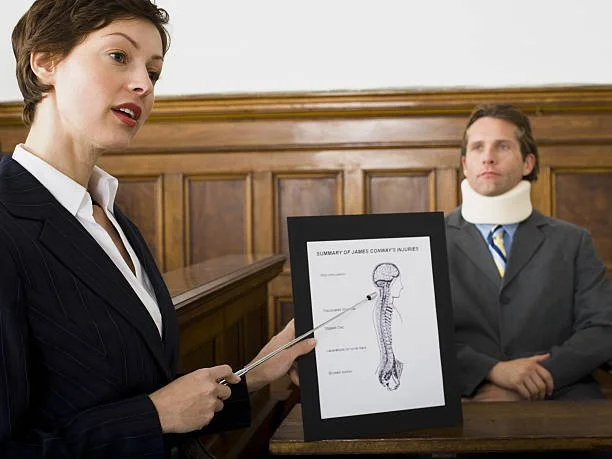
Data Visualization in Trial: How to Present Medical Evidence Effectively
In high-stakes litigation, how you present medical evidence can be just as important as the evidence itself. Data visualization—timelines, annotated records, and illustrated injuries—can turn complex clinical details into compelling courtroom narratives. In this blog, we explore how Lexcura Summit helps attorneys use strategic visuals to improve juror comprehension, expert testimony, and overall trial impact.