
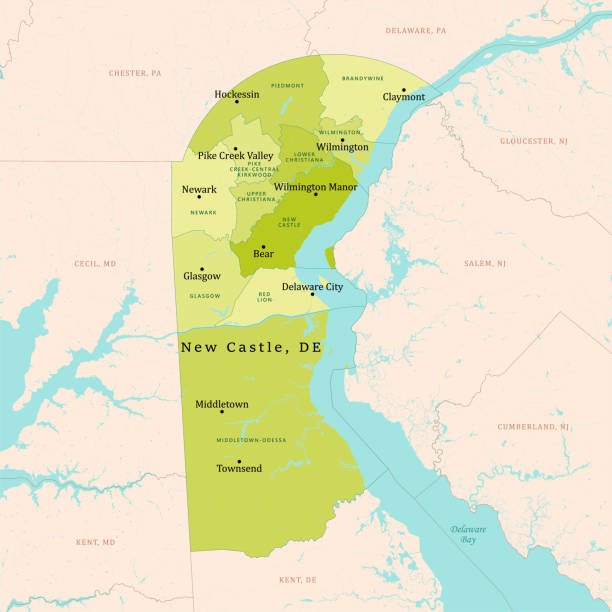
Delaware – Hospital Mandatory
Reporting Guide
A regulatory reference outlining Delaware’s mandatory hospital reporting requirements, event disclosure obligations, and compliance pathways relevant to healthcare investigations, regulatory review, and litigation analysis.
Delaware Hospital Mandatory Reporting Guide
Delaware hospitals are subject to a reporting framework that includes communicable-disease reporting, healthcare-associated infection surveillance, child-abuse reporting, vulnerable-adult abuse and exploitation reporting, hospital discharge data reporting, and complaint-driven regulatory oversight. These duties operate alongside federal Conditions of Participation and can materially affect regulatory exposure, enforcement activity, and litigation risk when reporting is delayed, omitted, or inconsistently documented.
In litigation, Delaware reporting issues frequently extend beyond bedside care. They may shape notice arguments, outbreak-response disputes, abuse-reporting compliance, data-reporting scrutiny, and broader claims involving escalation failure, systems breakdown, and regulatory noncompliance.
Why Mandatory Reporting Matters in Litigation
A reporting duty can create a notice trail. It may establish when the hospital knew or should have known that a communicable disease, outbreak, abuse concern, vulnerable-adult harm, or other reportable condition required escalation beyond routine documentation. Delayed reporting, missing files, or inconsistent external notification may become central to negligence theories, discovery strategy, and credibility analysis.
Executive Insight
Delaware does not appear to maintain a single unified statewide public hospital adverse-event statute comparable to some patient-safety reporting states, but hospitals remain subject to multiple reporting and oversight pathways that matter in litigation. Delaware regulations require hospitals to report notifiable diseases and allow hospital reporting to satisfy the health care provider reporting requirement for those cases. Delaware also requires immediate oral reporting of suspected child abuse or neglect, maintains Adult Protective Services processes for allegations of abuse, neglect, or exploitation of vulnerable adults, requires hospitals to submit uniform inpatient discharge data, and requires hospitals to report healthcare-associated infections through CDC NHSN reporting pathways.
Reporting Failures May Support Institutional Exposure
Where the hospital fails to report, delays reporting, or documents reporting inconsistently, the issue may become relevant to notice, escalation, institutional knowledge, and credibility.
The Record Should Be Tested Against Both Clinical and Reporting Duties
Attorneys should review whether a reportable trigger existed, whether it was recognized, whether the correct public-health, protective-services, or regulatory destination was notified, and whether the reporting timeline is visible in the clinical record and parallel external reporting trail.
Delaware Hospital Mandatory Reporting Matrix
The matrix below summarizes the reporting categories most likely to intersect with hospital litigation and regulatory review.
| Reporting Category | Trigger | Who Must Report | Timeline / Destination | Litigation Significance |
|---|---|---|---|---|
| Adverse Events / Hospital Incident Oversight | No current unified statewide public hospital adverse-event statute was verified from the official Delaware sources reviewed. | Hospitals remain subject to Division of Health Care Quality oversight, complaint review, federal participation requirements, and internal incident-management expectations. | No unified statewide public adverse-event reporting deadline was verified from current official Delaware sources reviewed. | The absence of a single public adverse-event statute does not eliminate exposure. Litigation may still focus on internal incident files, escalation failures, complaint records, survey findings, and whether the institution responded appropriately to a serious event. |
| Communicable Diseases | Case or suspected case of a notifiable reportable disease or condition. | Hospitals, health care providers, laboratories, and other designated reporters. | Report to the Division of Public Health according to disease-specific timelines; hospital reporting fulfills the provider requirement for the reported case. | Classification-based timelines frequently intersect with outbreak-control duties, infection-control analysis, foreseeability arguments, and regulatory scrutiny of escalation failures. |
| Healthcare-Associated Infection Surveillance | Hospital infection measures subject to required HAI reporting. | Hospitals required to report HAIs using the CDC NHSN Patient Safety Module. | Submit required HAI data through NHSN in accordance with state and federal reporting requirements. | Discrepancies between internal infection-control records and reported surveillance data may become relevant in HAI litigation. |
| Child Abuse / Neglect | Knowledge of or suspicion of child abuse or neglect. | Any person, agency, organization, or entity; this includes hospital personnel and healthcare providers. | Immediate oral report to the Department of Services for Children, Youth and Their Families, Division of Family Services, followed by any requested written report. | Creates a documented notice timeline and may weaken role-based defenses where hospital personnel recognized but did not report suspected abuse or neglect. |
| Vulnerable Adult Abuse / Neglect / Exploitation | Allegation or suspicion of abuse, neglect, exploitation, or self-neglect involving a vulnerable adult. | Reports are made to Adult Protective Services under Delaware’s protective-services framework. | Report through Adult Protective Services; state investigation begins within 1 business day for physical abuse, sexual abuse, or self-neglect, within 3 business days for emotional abuse or neglect, and within 5 business days for exploitation. | May become central to notice, escalation timing, and institutional compliance analysis in elder or disability-related harm cases. |
| Hospital Inpatient Discharge Data | Required inpatient discharge reporting obligations under Delaware’s Uniform Health Data law. | All hospitals for hospital inpatient discharges. | Complete the Delaware uniform claims and billing data set and submit it to the state agency according to the established schedule. | Data-reporting obligations may matter where institutional records, utilization patterns, coding practices, or report completeness become relevant in broader systems review. |
| Complaints / Investigations | Complaint-driven oversight involving licensed healthcare facilities. | Division of Health Care Quality and related Delaware oversight pathways. | Formal complaint intake and investigation pathway through state regulatory channels. | Complaint investigations may generate external records and findings discoverable in malpractice and institutional negligence matters. |
Red Flags Attorneys Should Look For
In Delaware reporting matters, the following issues often deserve early review before chronology development or expert analysis proceeds too far.
Serious Clinical Event, But No Internal Incident Trail Exists
The chart reflects a major deterioration, injury, abuse concern, or public-health issue, but there is no sign of a parallel incident review, escalation record, or complaint-response trail.
Communicable Disease or Outbreak Without Public-Health Notification Trail
The records suggest a reportable disease, cluster, or outbreak concern, but the public-health reporting trail is absent, delayed, or inconsistent.
Abuse Concern Documented, But No Required External Report
Hospital personnel document facts suggestive of child abuse, neglect, or vulnerable-adult harm, but the file does not show the required external report.
HAI or Discharge Reporting Picture Does Not Match the Chart
Infection-surveillance submissions or discharge-data reporting appears incomplete or inconsistent with the underlying medical record.
How This Guide Is Used in Litigation
This framework is designed to support attorney review in malpractice, patient safety, wrongful death, institutional negligence, abuse-reporting, infection-control, and regulatory-overlap matters involving Delaware hospitals.
Establish Institutional Knowledge
Reporting duties may help define when the hospital recognized that an event required external or higher-level escalation.
Target Missing Reporting Materials
The guide helps identify what public-health reports, child-protection reports, Adult Protective Services records, NHSN submissions, complaint files, discharge-data submissions, and internal incident materials should be requested.
Test the Stability of the Hospital Narrative
Reporting omissions or delayed escalation may weaken the institution’s explanation of how the event was recognized and managed.
Align State Duties with Federal Obligations
Delaware-specific duties should be reviewed together with Conditions of Participation and other federal reporting expectations.
Sharpen Questioning on Escalation and Reporting
This page supports targeted inquiry into recognition of triggers, destination choice, timing, and whether the hospital created the expected external reporting trail.
Support Institutional Negligence Themes
In the right matter, reporting failure may reinforce broader themes involving poor systems, weak escalation, broken communication, and patient-safety breakdown.
Delaware Hospital Reporting Compliance Requires More Than Event Recognition
In serious hospital matters, the issue is often not simply whether an event occurred. The issue is whether the event triggered a reporting obligation, whether the obligation was recognized in time, and whether the hospital’s documentation shows disciplined institutional response from notice through reporting and follow-through.
Request Delaware Hospital Reporting Review
Submit records for a structured, Delaware-specific analysis of reporting triggers, timelines, documentation gaps, and regulatory exposure aligned to litigation strategy and expert scrutiny.
Submit Records for Review Request a QuoteRecords may be submitted through the HIPAA-secure intake portal for preliminary review. Lexcura Summit then issues a letter of engagement outlining scope and cost. Upon confirmation and upfront payment, Delaware-specific reporting analysis begins, and the completed work product is returned within 7 days.