
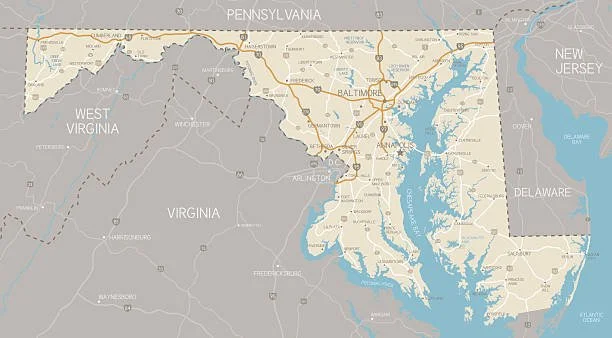
Maryland Hospital Mandatory Reporting Guide
State Reporting Triggers, Regulatory Escalation Pathways, and Litigation Significance for Hospital-Based Events
Maryland Hospital Mandatory Reporting Guide
Maryland hospitals operate within a regulatory framework that includes adverse-event reporting, communicable-disease reporting, mandatory reporting of suspected child abuse or neglect, mandatory reporting involving vulnerable adults, and complaint-driven oversight of licensed healthcare facilities. These duties operate alongside federal Conditions of Participation and may materially affect regulatory exposure, enforcement actions, and litigation risk when reporting obligations are delayed, omitted, or inconsistently documented.
In litigation involving Maryland hospitals, reporting duties frequently shape institutional notice arguments, patient-safety event investigations, infection-control disputes, abuse-reporting compliance issues, and broader claims involving escalation failures, communication breakdowns, and regulatory noncompliance.
Why Mandatory Reporting Matters in Litigation
Reporting obligations often establish the institutional notice timeline. They may demonstrate when a hospital recognized that an adverse event, outbreak, abuse concern, or other reportable condition required escalation beyond routine documentation. Delayed reporting, incomplete files, or inconsistent external notification may become central to negligence theories and discovery strategy.
Maryland Hospital Mandatory Reporting Matrix
| Reporting Category | Trigger | Who Must Report | Timeline / Destination | Litigation Significance |
|---|---|---|---|---|
| Adverse Events / Patient Safety Reporting | Serious patient safety events or incidents identified through hospital quality or safety reporting systems. | Licensed hospitals. | Report to the Maryland Department of Health under state patient-safety reporting frameworks. | Adverse-event reporting trails may become central to institutional notice, corrective response analysis, and credibility evaluation. |
| Communicable Diseases | Diagnosis or suspicion of a reportable communicable disease. | Hospitals, physicians, laboratories, and designated reporters. | Report to the Maryland Department of Health under communicable-disease reporting rules. | Public-health reporting timelines may intersect with infection-control litigation and outbreak-response analysis. |
| Child Abuse / Neglect | Reasonable cause to suspect child abuse or neglect. | Mandatory reporters including healthcare providers and hospital personnel. | Report to Maryland child protective services or local law enforcement. | Failure to report suspected abuse may create institutional knowledge and escalation failure arguments. |
| Vulnerable Adult Abuse | Reason to suspect abuse, neglect, or exploitation of a vulnerable adult. | Healthcare providers and facility staff. | Report to Maryland Adult Protective Services. | Mandatory-reporting failures may become central to institutional negligence analysis. |
| Hospital Complaints / Regulatory Investigations | Complaints concerning licensed healthcare facilities. | Maryland Office of Health Care Quality. | Formal complaint investigation pathway administered by the licensing authority. | Complaint investigations may produce regulatory records discoverable in malpractice and institutional negligence litigation. |
Maryland Hospital Reporting Compliance Requires More Than Event Recognition
In serious hospital matters, the issue is not simply whether an event occurred. The key question is whether the event triggered a reporting obligation, whether the obligation was recognized in time, and whether the hospital’s documentation reflects a disciplined institutional response from notice through reporting and follow-through.
Request Maryland Hospital Reporting Review
Submit records for a structured Maryland-specific review of reporting triggers, documentation gaps, and escalation timelines aligned to litigation strategy and expert scrutiny.
Submit Records for Review Request a QuoteRecords may be submitted through the HIPAA-secure intake portal for preliminary review. Lexcura Summit then issues a letter of engagement outlining scope and cost. Upon confirmation and upfront payment, Maryland-specific reporting analysis begins, and the completed work product is returned within 7 days.