
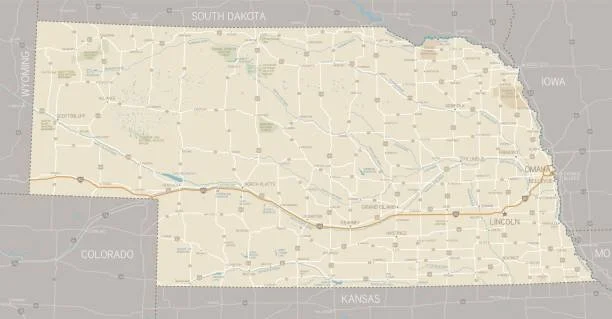
Nebraska – Hospital Mandatory
Reporting Guide
Statutory reporting triggers, regulatory timelines, and litigation significance for Nebraska hospital reporting obligations.
Nebraska Hospital Mandatory Reporting Guide
Nebraska hospitals operate under a reporting framework that includes the Patient Safety Improvement Act, communicable-disease reporting obligations, abuse-reporting statutes, and broader regulatory oversight. These duties operate alongside federal Conditions of Participation and may influence regulatory investigations, enforcement actions, and litigation exposure when reporting is delayed, incomplete, or inconsistent.
In litigation, Nebraska reporting obligations often intersect with institutional-negligence theories, notice and foreseeability analysis, and discovery requests targeting safety-event documentation, root-cause analyses, and reporting trails maintained outside the clinical record.
Why Mandatory Reporting Matters in Litigation
Reporting duties create a regulatory timeline. When a hospital recognizes an event that qualifies as a reportable patient-safety event, communicable disease, abuse concern, or other regulated condition, the law may require reporting to public authorities or safety organizations. Delays or omissions can become central issues in malpractice, wrongful death, and institutional negligence cases.
Executive Insight
Nebraska’s Patient Safety Improvement Act requires healthcare providers to track and report patient-safety events and to conduct root-cause analyses and corrective action planning following qualifying events. :contentReference[oaicite:4]{index=4}
Hospitals must coordinate reporting of qualifying events and submit annual safety-event data to patient-safety organizations. :contentReference[oaicite:5]{index=5}
Nebraska Hospital Mandatory Reporting Matrix
| Reporting Category | Trigger | Who Must Report | Timeline / Destination | Litigation Significance |
|---|---|---|---|---|
| Patient Safety Events | Defined patient-safety occurrences such as wrong-site surgery, retained surgical items, device failures, and other serious events. | Healthcare providers and facilities subject to the Nebraska Patient Safety Improvement Act. | Facilities must report aggregate patient-safety event data annually and complete root-cause analysis and action plans following qualifying events. | Creates safety-event documentation, root-cause analysis records, and institutional corrective-action files that may be discoverable in litigation. |
| Child Abuse / Neglect | Reasonable cause to believe a child has been abused or neglected. | Physicians, nurses, hospitals, and other mandated reporters. | Immediate report to law enforcement or the Department of Health and Human Services. :contentReference[oaicite:6]{index=6} | Mandatory reporting timelines may become central to negligence-per-se arguments and institutional notice analysis. |
| Vulnerable Adult Abuse | Reasonable cause to believe a vulnerable adult has been abused, neglected, or exploited. | Healthcare professionals, caregivers, facility employees, and other designated reporters. | Report to law enforcement or DHHS, with written follow-up if requested. :contentReference[oaicite:7]{index=7} | Creates external notice documentation that may be relevant to institutional response and regulatory compliance. |
| Communicable Diseases | Diagnosis, suspicion, or laboratory identification of reportable diseases or outbreaks. | Healthcare providers, hospitals, and laboratories. | Reporting required to Nebraska DHHS under communicable-disease reporting regulations. :contentReference[oaicite:8]{index=8} | Reporting timelines may influence outbreak-control analysis, infection-control litigation, and regulatory investigations. |
| Complaints / Investigations | Complaints regarding hospital care or regulatory violations. | State regulators including DHHS. | Investigations initiated through licensing and regulatory oversight processes. | Inspection reports, deficiency findings, and complaint investigations may become important discovery materials. |
How Attorneys Use Mandatory Reporting Analysis
In Nebraska hospital litigation, reporting obligations may establish institutional knowledge of a serious event, define escalation timelines, and reveal whether the hospital complied with statutory duties and patient-safety obligations.
Request Nebraska Hospital Reporting Analysis
Submit records for a structured review of Nebraska hospital reporting obligations, patient-safety events, and regulatory compliance issues.
Submit Records for Nebraska Hospital Reporting ReviewRecords may be submitted through the HIPAA-secure intake portal for preliminary review. Lexcura Summit then issues a letter of engagement outlining scope and cost. Upon confirmation and upfront payment, analysis begins and the completed work product is returned within 7 days.