
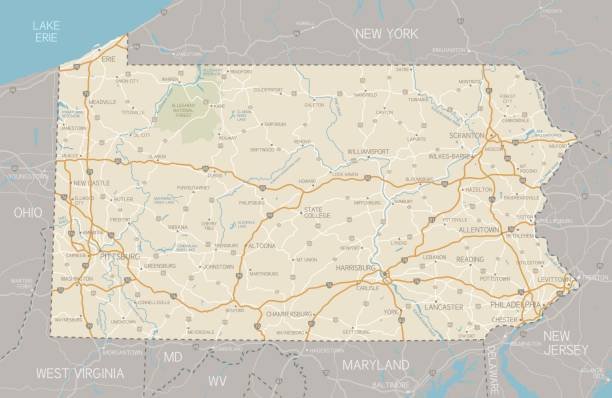
Pennsylvania Hospital Mandatory Reporting Guide
Pennsylvania hospitals are subject to a formal reporting framework that includes patient-safety reporting under the MCARE Act, child-abuse reporting, violent-injury reporting, communicable-disease reporting, and broader licensure oversight. These duties operate alongside federal Conditions of Participation and can materially affect regulatory exposure, survey findings, and litigation risk when reporting is delayed, omitted, or inconsistently documented.
In litigation, Pennsylvania reporting issues frequently extend beyond bedside care. They may shape notice arguments, institutional credibility, timeline reconstruction, patient-notification disputes, and broader claims involving escalation failure, systems breakdown, and regulatory noncompliance.
Why Mandatory Reporting Matters in Litigation
A reporting duty can create a notice trail. It may establish when the hospital knew or should have known that a serious event, abuse concern, violent injury, or communicable disease trigger required escalation beyond routine documentation. Delayed reporting, missing safety files, absent patient notification, or inconsistent external reporting may become central to negligence theories, discovery strategy, and credibility analysis.
Executive Insight
Pennsylvania is not a “no adverse-event” state. Its MCARE framework requires medical facilities to maintain patient-safety plans, internal reporting systems, and processes for reporting serious events and incidents. Separate reporting duties also apply to child abuse, certain violent injuries, and communicable diseases. For attorneys, the central question is whether the event triggered the correct reporting pathway, whether the proper authority or patient was notified in time, and whether the resulting notice trail is visible in the record. :contentReference[oaicite:1]{index=1}
Reporting Failures May Support Institutional Exposure
Where the hospital fails to report, delays reporting, or documents reporting inconsistently, the issue may become relevant to notice, escalation, institutional knowledge, and credibility.
The Record Should Be Tested Against Both Clinical and Reporting Duties
Attorneys should review whether a reportable trigger existed, whether it was recognized, whether the correct destination was notified, and whether the reporting timeline is visible in the clinical record, safety file, and parallel external reporting trail.
Pennsylvania Hospital Mandatory Reporting Matrix
The matrix below summarizes the reporting categories most likely to intersect with hospital litigation and regulatory review.
| Reporting Category | Trigger | Who Must Report | Timeline / Destination | Litigation Significance |
|---|---|---|---|---|
| Serious Events / Incidents | Serious events and incidents under the MCARE Act patient-safety framework. | Health care workers report through the medical facility’s patient safety plan; the medical facility maintains the reporting system and patient notification duties. | Health care workers must report immediately or as soon thereafter as reasonably practicable, but no later than 24 hours after occurrence or discovery. A medical facility must provide written notification to the affected patient within 7 days of occurrence or discovery of a serious event. :contentReference[oaicite:2]{index=2} | Creates a patient-safety record outside the ordinary chart that may become central to discovery, institutional notice analysis, patient disclosure disputes, and systems-failure claims. |
| Child Abuse / Neglect | Reasonable cause to suspect that a child is a victim of child abuse. | Mandated reporters, including applicable hospital staff and licensed professionals identified by statute. :contentReference[oaicite:3]{index=3} | A mandated reporter must report immediately, either electronically or by telephone to ChildLine; if the initial report is oral, it is followed by a written report within 48 hours. :contentReference[oaicite:4]{index=4} | Creates a documented notice timeline and weakens role-based defenses where hospital personnel recognized but did not report suspected abuse. |
| Gunshot or Life-Threatening Stab Wounds | Treatment of a gunshot wound or a life-threatening wound caused by a knife or other sharp instrument. | Any physician or person in charge of a hospital, clinic, or other medical institution. :contentReference[oaicite:5]{index=5} | Immediately report to local law enforcement. :contentReference[oaicite:6]{index=6} | Creates a law-enforcement notice trail relevant to institutional knowledge, escalation timing, and timeline reconstruction. |
| Communicable Diseases / Outbreaks | Diagnosis, suspicion, or laboratory identification of a reportable disease, condition, cluster, or outbreak under Pennsylvania’s disease-control framework. | Providers, hospitals, and laboratories under Pennsylvania’s reportable disease regulations. | Condition-specific under Pennsylvania’s reportable-disease rules; many require immediate or prompt reporting to the Department of Health or local health authorities. :contentReference[oaicite:7]{index=7} | Classification-based timelines frequently intersect with outbreak-control duties, infection-control analysis, foreseeability arguments, and regulatory scrutiny of escalation failures. |
| Complaints / Investigations | Complaint-driven oversight and hospital licensure enforcement. | Pennsylvania Department of Health / applicable licensing authority. | No fixed statutory “initiate within X days” complaint-investigation deadline was verified in the sources reviewed. | Even without a fixed start deadline, delayed investigation, weak follow-up, or missing oversight records may still be scrutinized in serious patient-safety matters. |
Red Flags Attorneys Should Look For
In Pennsylvania reporting matters, the following issues often deserve early review before chronology development or expert analysis proceeds too far.
Serious Event, But No Patient-Safety File Exists
The chart reflects a major event, deterioration, or injury, but there is no visible serious-event or incident file under the patient-safety plan.
Delayed Reporting or Missing 7-Day Patient Notification
The event is recognized in the chart, but reporting or written notice to the patient appears materially later or undocumented.
Child Abuse Concern Without ChildLine Reporting Trail
Hospital personnel document suspected abuse, but the file does not show an immediate ChildLine report or the required follow-up written report when applicable.
Violent Injury or Outbreak Without External Notification Record
The chart references a qualifying stab or gunshot wound, or a reportable public-health condition, but there is no visible law-enforcement or public-health reporting trail.
How This Guide Is Used in Litigation
This framework is designed to support attorney review in malpractice, patient safety, wrongful death, institutional negligence, abuse-reporting, infection-control, and regulatory-overlap matters involving Pennsylvania hospitals.
Establish Institutional Knowledge
Reporting duties may help define when the hospital recognized that an event required external or higher-level escalation.
Target Missing Reporting Materials
The guide helps identify what patient-safety files, patient notification records, ChildLine reports, law-enforcement notices, and public-health materials should be requested.
Test the Stability of the Hospital Narrative
Reporting omissions or delayed escalation may weaken the institution’s explanation of how the event was recognized and managed.
Align State Duties with Federal Obligations
Pennsylvania-specific duties should be reviewed together with Conditions of Participation and other federal reporting expectations.
Sharpen Questioning on Escalation and Reporting
This page supports targeted inquiry into recognition of triggers, destination choice, timing, patient notification, and whether the hospital created the expected external reporting trail.
Support Institutional Negligence Themes
In the right matter, reporting failure may reinforce broader themes involving poor systems, weak escalation, broken communication, and patient-safety breakdown.
Pennsylvania Hospital Reporting Compliance Requires More Than Event Recognition
In serious hospital matters, the issue is often not simply whether an event occurred. The issue is whether the event triggered a reporting obligation, whether the obligation was recognized in time, and whether the hospital’s documentation shows disciplined institutional response from notice through reporting, patient notification, and follow-through.
Request Pennsylvania Hospital Reporting Review
Submit records for a structured, Pennsylvania-specific analysis of reporting triggers, timelines, documentation gaps, and regulatory exposure aligned to litigation strategy and expert scrutiny.
Submit Records for Review Request a QuoteRecords may be submitted through the HIPAA-secure intake portal for preliminary review. Lexcura Summit then issues a letter of engagement outlining scope and cost. Upon confirmation and upfront payment, Pennsylvania-specific reporting analysis begins, and the completed work product is returned within 7 days.