
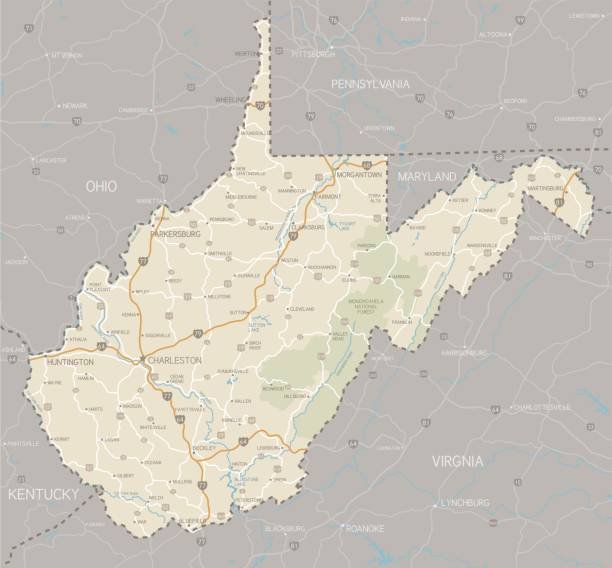
West Virginia Hospital Mandatory Reporting Guide
How statutory reporting duties shape regulatory exposure, notice arguments, and institutional liability in West Virginia healthcare litigation.
West Virginia Hospital Mandatory Reporting Guide
West Virginia hospitals are subject to state-mandated reporting obligations governing when and how specific incidents, conditions, and events must be disclosed to designated regulatory authorities and external agencies. These requirements operate alongside federal standards, including CMS Conditions of Participation, and frequently shape regulatory exposure, investigation pathways, and litigation risk when reporting is delayed, incomplete, or omitted.
In litigation, reporting failures often become more than compliance issues. They may influence notice arguments, institutional credibility, timeline reconstruction, regulatory breach analysis, and the broader question of whether the hospital recognized and responded appropriately to a reportable event.
Why Mandatory Reporting Matters in Litigation
A reporting duty can create a notice trail. It may establish when the hospital knew or should have known that an event, injury, abuse allegation, outbreak, or criminally suspicious wound required escalation beyond the bedside chart. Delayed reporting, absent documentation, or confusion over the correct statutory pathway may become central to credibility assessment, institutional negligence theories, and discovery strategy. :contentReference[oaicite:4]{index=4}
Executive Insight
The materials reviewed did not identify a single centralized statewide hospital adverse-event reporting statute. West Virginia hospitals nevertheless remain subject to mandatory reporting duties involving child abuse or neglect, gunshot and other qualifying wounds, suspected arson-related burns, and reportable communicable diseases and outbreaks. Those duties may create independent notice pathways outside the ordinary clinical chart. :contentReference[oaicite:5]{index=5}
Reporting Failures May Support Institutional Exposure
Where the hospital fails to report, delays reporting, or documents reporting inconsistently, the issue may become relevant to notice, escalation, institutional knowledge, and credibility.
The Record Should Be Tested Against Both Clinical and Reporting Duties
Attorneys should review whether a reportable trigger existed, whether it was recognized, whether the required destination was notified, and whether the reporting timeline is visible in the documentation.
West Virginia Hospital Mandatory Reporting Matrix
The matrix below summarizes the reporting categories most likely to intersect with hospital litigation and regulatory review.
| Reporting Category | Trigger | Who Must Report | Timeline / Destination | Litigation Significance |
|---|---|---|---|---|
| Adverse Events | No single centralized statewide hospital adverse-event reporting statute was identified in the materials reviewed. | N/A | N/A | Absence of a dedicated adverse-event statute does not eliminate abuse, wound, burn, communicable disease, outbreak, or federal Conditions of Participation reporting exposure. |
| Child Abuse / Neglect | Reasonable cause to suspect child abuse or neglect. | Mandated reporters, including covered hospital personnel under West Virginia law. | Immediately to the Bureau for Social Services centralized intake / hotline; serious abuse reports are then forwarded by the department to law enforcement or other appropriate authorities. | Creates a discoverable notice timeline and may support negligence-per-se or institutional notice arguments in the right matter. |
| Gunshot and Other Wounds | Treatment of a wound caused by a gunshot or by a knife or other sharp or pointed instrument under circumstances suggesting a criminal-law violation. | The attending physician or, if none, the person primarily responsible for treatment. | Initial telephone report to county law enforcement, followed by a written report within 48 hours. | Creates a law-enforcement notice trail relevant to institutional knowledge, escalation timing, and discovery requests for related investigative materials. |
| Burn Injuries | Burn injuries from fire or chemical exposure where circumstances give reasonable cause to suspect arson. | The attending physician or, if none, the person primarily responsible for treatment. | Report to the Office of the State Fire Marshal, with written report within 48 hours after the initial report. | Creates an external reporting pathway that may be highly relevant where the hospital recognized suspicious burn circumstances but the reporting trail is absent. |
| Communicable Diseases / Outbreaks | Diagnosis, suspicion, or laboratory identification of a reportable disease, condition, unusual health event, cluster, or outbreak. | Providers, facilities, and laboratories as specified by West Virginia’s reportable disease rule and OEPS guidance. | Condition-specific; some are immediate, and outbreaks are immediately reportable to local health departments. | Classification-based reporting timelines may become central in outbreak-related litigation, infection-control review, and escalation analysis. |
| Complaints / Investigations | Complaint investigations are authorized through state oversight processes. | Agency authority framework. | No statutory “initiate within X days” requirement was identified in the materials reviewed. | Material investigative delay may be scrutinized in serious patient-safety matters, particularly where notice preceded additional harm. |
Red Flags Attorneys Should Look For
In West Virginia reporting matters, the following issues often deserve early review before chronology development or expert analysis proceeds too far.
Clinical Record Suggests a Trigger, But No Reporting Trail Exists
The chart may document abuse concerns, suspicious wounds, suspicious burns, communicable disease triggers, or an outbreak pattern, but there is no corresponding record of notification, escalation, or agency contact.
Delayed Reporting Relative to Clinical Recognition
The event is recognized in the chart, but the report appears materially later or without a stable explanation.
Wrong Destination or Incomplete Reporting Chain
Internal notes may reference reporting, but the wrong agency, incomplete written follow-up, or wrong escalation route may have been used.
Investigation Mentioned but Underlying Materials Missing
The hospital references internal review, agency contact, or complaint handling, but supporting materials are absent from the production.
How This Guide Is Used in Litigation
This framework is designed to support attorney review in malpractice, patient safety, wrongful death, institutional negligence, and regulatory-overlap matters involving West Virginia hospitals.
Establish Institutional Knowledge
Reporting obligations may help define when the hospital recognized that an event required external or higher-level internal escalation.
Target Missing Reporting and Investigation Materials
The guide helps identify what additional records, notifications, and complaint-related materials should be requested.
Test the Stability of the Hospital Narrative
Reporting omissions or delayed escalation may weaken the institution’s explanation of how the event was recognized and managed.
Align State Duties with Federal Obligations
West Virginia-specific duties should be reviewed together with Conditions of Participation and other federal reporting expectations.
Sharpen Questioning on Escalation and Reporting
This page supports targeted inquiry into recognition of triggers, destination choice, reporting timeline, and internal follow-up.
Support Institutional Negligence Themes
In the right matter, reporting failure may reinforce broader themes involving poor systems, weak escalation, or compliance breakdown.
West Virginia Hospital Reporting Compliance Requires More Than Event Recognition
In serious hospital matters, the issue is often not simply whether an event occurred. The issue is whether the event triggered a reporting obligation, whether the obligation was recognized in time, and whether the hospital’s documentation shows disciplined institutional response.
Request West Virginia Hospital Reporting Review
Submit records for a structured, West Virginia-specific analysis of reporting triggers, timelines, documentation gaps, and regulatory exposure aligned to litigation strategy and expert scrutiny.
Submit Records for Review Request a QuoteRecords may be submitted through the HIPAA-secure intake portal for preliminary review. Lexcura Summit then issues a letter of engagement outlining scope and cost. Upon confirmation and upfront payment, West Virginia-specific reporting analysis begins, and the completed work product is returned within 7 days.