Structured Wound Liability Framework

Wound / Skin Integrity Review Tool

A litigation-ready framework for evaluating pressure injuries, wound progression, prevention failures, documentation integrity, and causation issues in long-term care cases.

Tool Introduction

Wound / Skin Integrity Review Tool

Clinical and regulatory review structure for pressure injuries, skin breakdown, wound progression, and preventability analysis

Wound-related litigation in long-term care rarely turns on a single skin note. It usually turns on whether risk was identified early, whether preventive measures were implemented consistently, whether deterioration was recognized and escalated, and whether the documentation supports a coherent chronology of wound development.

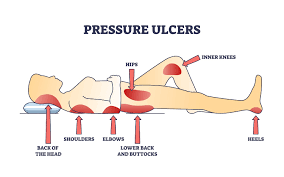
Pressure injuries and skin breakdown claims often involve overlapping issues: immobility, nutrition, incontinence, repositioning failures, delayed wound identification, inconsistent staging, incomplete treatment documentation, and weak communication between nursing, wound care, providers, and families.

This tool helps attorneys evaluate preventability, develop breach themes, test wound chronology against the record, prepare deposition strategy, coordinate expert review, and assess whether the facility’s documented prevention and treatment efforts align with the resident’s actual risk profile and course of decline.

Litigation Significance

Why Skin Integrity Analysis Matters in Long-Term Care Litigation

Wound cases often become powerful because they combine visible harm, measurable prevention duties, and documentation that may reveal whether the decline was foreseeable and avoidable.

Preventability Analysis

The central issue is often whether the wound was avoidable, whether risk factors were recognized, and whether preventive interventions were implemented consistently and timely.

Progression Timeline

A structured review clarifies when the wound first appeared, how quickly it progressed, what treatments were ordered, and whether intervention windows were missed.

Regulatory and Facility Exposure

Wound claims frequently expose broader failures in staffing, repositioning practice, nutrition management, assessment quality, and documentation integrity.

Practical use: this tool helps convert wound records into a litigation-ready structure identifying risk, required prevention measures, wound chronology, treatment response, documentation gaps, and the strongest breach and causation themes.

Litigation Use

How This Tool Helps Attorneys Build Wound Cases

Wound and pressure injury claims become more useful in litigation when the record is organized into risk, prevention, progression, response, and outcome.

Early Case Screening

The tool helps determine whether the wound claim appears to involve avoidable breakdown, weak prevention, delayed escalation, inconsistent treatment response, or a more defensible clinical course.

Breach Development

It organizes the evidence around what the facility should have done, what was actually documented, what is missing, and where prevention and treatment duties may not have been carried out.

Causation Framing

The chronology helps assess whether the timing, progression, and response support the claimed mechanism of harm, including worsening stage, infection, hospitalization, pain escalation, or other downstream injury.

Deposition Preparation

The review identifies high-value question lanes for bedside staff, wound nurses, supervisors, and corporate representatives by isolating prevention failures, treatment inconsistencies, and documentation gaps.

Expert Coordination

It gives counsel a cleaner clinical timeline and standards-based structure to use with nursing, wound care, and medical experts when refining breach and causation opinions.

Settlement and Exposure Analysis

By clarifying preventability, progression, documentation integrity, and institutional oversight issues, the tool helps attorneys evaluate leverage, defensibility, and overall case posture more realistically.

Practical Use

How Attorneys Can Use This Tool

The review is most useful when built around chronology, preventability, and treatment response rather than isolated wound entries.

1. Establish Baseline Risk

Identify immobility, nutrition deficits, incontinence, vascular compromise, cognition issues, prior skin breakdown, and overall dependence level at baseline.

2. Map Prevention to the Timeline

Determine when risk was documented, when prevention should have started, whether turning, offloading, moisture control, and nutrition interventions were actually implemented.

3. Test Progression and Response

Compare wound progression, staging, provider notification, treatment orders, and reassessment intervals against what the record says actually occurred.

Review Domains

Core Wound and Skin Integrity Review Domains

These domains create a repeatable structure for evaluating prevention, treatment, documentation, and exposure.

1) Risk Assessment

Braden scoring, mobility limitations, continence status, nutrition risks, perfusion issues, cognition, and overall dependency level.

2) Prevention Measures

Repositioning schedules, offloading, support surfaces, moisture control, continence care, hygiene, and preventive skin checks.

3) Identification and Staging

When the wound was first identified, whether the stage was documented consistently, and whether measurements, location, and description were coherent over time.

4) Treatment Response

Dressing orders, wound care consults, provider notification, infection monitoring, reassessment intervals, and response to worsening skin status.

5) Documentation Integrity

Internal consistency between treatment notes, wound logs, weekly skin notes, CNA documentation, provider orders, and care plan revisions.

6) Staffing and Oversight

Whether staffing levels, assignment patterns, supervision, and wound-program oversight support the claimed prevention and treatment activities.

Red Flags / Breach Indicators

Wound-Related Patterns That Commonly Warrant Closer Exposure Review

These do not decide liability by themselves. They identify where the record, chronology, and treatment response should be tested more aggressively.

Risk Without Prevention

The record identifies skin-risk factors but does not support consistent repositioning, offloading, support surfaces, moisture control, or nutrition intervention.

Inconsistent Staging or Measurements

Wound stage, dimensions, location, or progression pattern changes without clear clinical explanation or consistent reassessment.

Documentation Without Escalation

Skin decline is documented, but provider notification, wound consult, revised treatment orders, or care plan updates are delayed or absent.

Charting That Appears Retrospective

Late entries, templated wound notes, or polished descriptions appear after the wound worsened rather than reflecting contemporaneous monitoring.

Nutrition / Hydration Disconnect

The resident shows weight loss, poor intake, dehydration risk, or protein deficiency without a coherent nutrition-response plan aligned to wound healing needs.

Staffing or Oversight Instability

Claimed wound prevention and treatment efforts are difficult to reconcile with assignment patterns, staffing levels, agency reliance, or weak wound-program oversight.

Attorney use: when these patterns appear, compare wound notes against CNA flowsheets, turning logs, care plans, provider communications, nutrition records, treatment orders, and staffing assignments to test whether the claimed prevention and treatment narrative holds together.

Causation and Progression

How This Tool Moves From Prevention Duties to Harm Analysis

Wound analysis becomes most useful when it connects timeline, physiology, and documentation integrity.

  • Timing: when the wound first became apparent, how quickly it progressed, and whether there were missed intervention windows.
  • Clinical coherence: whether the alleged progression is medically plausible given the resident’s condition, treatment, perfusion, and risk factors.
  • Preventability: whether documented prevention and treatment measures support avoidability or instead reveal failure of implementation.
  • Complications: whether infection, hospitalization, pain escalation, sepsis, debridement, or worsening stage altered the exposure profile.

Output: a litigation-ready wound chronology identifying baseline risk, required prevention, observed skin changes, escalation points, treatment response, missing proof, and the strongest causation or defensibility themes.

Linked Tools

Connect This Tool to the Rest of the LTC Review System

These tools let attorneys move from wound review into chronology, breach development, falls analysis, and broader long-term care systems review.

Wound Records Become Litigation Strategy When the Chronology Is Structured.

This tool is designed to reduce ambiguity in wound cases by mapping prevention duties, clinical progression, treatment response, documentation integrity, and oversight realities to the actual record — helping attorneys determine where breach is provable, where causation is coherent, and where the documentation creates leverage or defense.

Submit Long-Term Care Records for Wound Strategy Review


Lexcura Summit provides structured clinical-legal review of wound and skin-integrity records to help attorneys assess preventability, build breach themes, clarify progression and causation, prepare witness examinations, and identify litigation-significant documentation weaknesses.

What We Review

Skin assessments, Braden scores, wound notes, treatment records, care plans, nutrition records, provider communications, and staffing context.

What You Receive

A structured wound review identifying preventability themes, progression issues, treatment gaps, and litigation-significant record inconsistencies.

Best Use Cases

Pressure injury claims, wound progression disputes, nursing home negligence screening, expert preparation, and breach-causation development.

Turnaround

Standard delivery within 7 days. Expedited review available for urgent litigation timelines.

HIPAA-secure intake: Structured wound strategy review returned in a litigation-ready format.
Engagement Process

Records may be submitted through the HIPAA-secure intake portal for preliminary review. Lexcura Summit will then provide a letter of engagement outlining scope and cost. Upon confirmation and payment, the clinical-legal review begins and the completed work product is returned within 7 days.