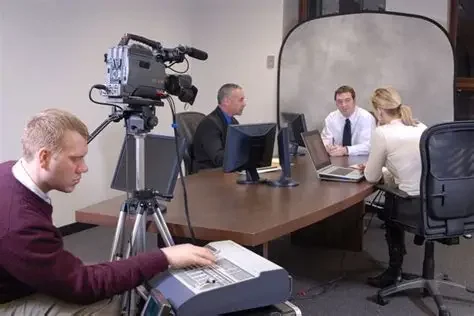
Deposition Strategy Framework
Structured Inquiry for Long-Term Care Litigation
Depositions in long-term care cases often fail because the questioning remains too close to the incident and too far from the system. Witnesses describe events, but are never forced to explain whether the facility’s staffing model, care-plan execution, monitoring practices, and escalation structure were capable of delivering the care the resident required.
In skilled nursing litigation, the most important testimony rarely concerns a single isolated mistake. It concerns whether risks were identified, whether interventions were implemented, whether deterioration was recognized and escalated, whether staffing made compliance realistically possible, and whether documentation reflects actual care or only retrospective explanation.
The Deposition Preparation Packet is designed to keep questioning anchored to those issues. Organized by role — CNA, nurse, Director of Nursing, administrator, and MDS coordinator — it helps attorneys move from general questioning to disciplined breach development by linking testimony to operational duty, regulatory expectation, and documented performance.
Used properly, this framework does more than confirm facts. It isolates where the facility’s structure broke down, clarifies whether failures were individual or institutional, and creates testimony that can be integrated directly into breach, causation, and defensibility analysis.
Why Depositions Fail in Long-Term Care Cases
Structural Weakness in Long-Term Care Depositions
Depositions become less effective when questioning focuses only on recollection instead of structure. In skilled nursing cases, witnesses are often prepared to repeat chart language, describe isolated tasks, and deny direct responsibility. What exposes liability is not simply what a witness remembers, but whether the testimony reveals a mismatch between resident risk, required care, staffing reality, escalation expectations, and documented response.
What Attorneys Should Watch For
Watch for witnesses who can describe policy but not execution, staff who identify concerns but deny responsibility for follow-up, supervisors who claim oversight without operational verification, and testimony that depends on documentation that is incomplete, late, or internally inconsistent.
Why Depositions Matter in Long-Term Care Litigation
From Event Confirmation to Institutional Exposure Analysis
Risk Recognition
Depositions test whether staff understood the resident’s known risks and whether those risks translated into meaningful care.
Operational Execution
They reveal whether policies, care plans, and physician orders were actually followed on the floor.
Supervision & Staffing
They clarify whether staffing levels, assignment practices, and oversight made safe care realistically possible.
System Failure
They help distinguish isolated error from broader institutional breakdown.
Why This Matters in Litigation
In nursing home cases, depositions often determine whether the case remains focused on one individual act or expands into a pattern-and-practice theory. The strongest testimony frequently comes not from dramatic admissions, but from inconsistencies between what staff say should have happened and what the record shows actually occurred.
What Attorneys Should Watch For
Watch for uncertainty around staffing, care-plan implementation, escalation timing, and who was responsible for monitoring the resident. These answers often reveal whether the problem was truly clinical or operational.
CNA Deposition Questions
Role, Monitoring, and Real-World Execution
Role & Responsibilities
Describe your daily responsibilities for resident care.
How many residents were assigned to you during the relevant shifts?
What training did you receive regarding fall prevention, skin care, and change-in-condition recognition?
Monitoring & Documentation
How often were you required to check on residents?
How did you document the care you provided?
Were there times when you were unable to complete required tasks due to staffing levels?
Incident-Specific Inquiry
What did you observe about the resident’s condition before the incident?
Did you report any concerns to the nurse?
Were any interventions missed or delayed?
Why This Matters in Litigation
CNA testimony often reveals the difference between the care plan on paper and the care delivered in practice. Because CNAs provide hands-on care, they are frequently the first to notice deterioration, behavioral change, mobility decline, or missed supervision.
What Attorneys Should Watch For
Watch for testimony showing unrealistic assignments, undocumented missed care, or repeated concerns reported upward without response. CNAs often expose whether staffing and supervision made the care plan operationally impossible.
Nurse Deposition Questions
Assessment, Response, and Escalation Responsibility
Assessment & Monitoring
What assessments were performed on admission?
How often was the resident monitored for changes in condition?
What were the resident’s identified risks?
Interventions & Response
Describe the interventions in place for fall prevention, skin integrity, hydration, or other risks.
When did you first notice a change in condition?
What actions did you take, and when?
Notifications
When was the physician notified?
When was the family notified?
Were there any delays in communication?
Why This Matters in Litigation
Nursing testimony is often central to breach analysis because nurses occupy the point where assessment, intervention, and escalation duties intersect. Their testimony helps establish whether deterioration was recognized and whether required action followed.
What Attorneys Should Watch For
Watch for vague timing, unclear escalation reasoning, and inconsistencies between nursing testimony and the chart. If nurses cannot explain why reassessment, provider notification, or care-plan modification did not occur sooner, the breach theory strengthens considerably.
Director of Nursing (DON)
Oversight, Staffing, and Compliance Infrastructure
Staffing & Oversight
What were the staffing levels during the relevant period?
Were there staffing shortages or call-outs?
How do you ensure staff compliance with care plans?
Policies & Procedures
What facility policies applied to this resident’s care?
Were those policies followed?
How is staff trained on recognizing and responding to changes in condition?
Quality Assurance
Were there prior incidents involving this resident?
Were corrective actions implemented?
How does the facility track and address systemic issues?
Why This Matters in Litigation
DON testimony often determines whether the case can move from individual negligence to institutional exposure. The DON is positioned to explain staffing levels, oversight systems, policy enforcement, and whether repeated failures were known internally.
What Attorneys Should Watch For
Watch for admissions that staffing levels were unstable, oversight depended on chart review rather than direct verification, or corrective actions were informal or undocumented. These answers often support systemic failure arguments.
Administrator Deposition Questions
Operations, Compliance, and Post-Incident Response
Facility Operations
What is your role in overseeing clinical operations?
How do you ensure regulatory compliance?
What systems are in place to monitor quality of care?
Incident Review
Were you aware of this incident?
What steps were taken after the event?
Were any staff disciplined or retrained?
Why This Matters in Litigation
Administrator testimony helps establish whether the facility had functioning operational systems or only paper compliance. It often reveals how the building responded to incidents, how internal reviews were handled, and whether the facility took known risks seriously.
What Attorneys Should Watch For
Watch for a disconnect between administrative claims of quality oversight and the absence of meaningful corrective action, staff retraining, or documentation support. This often undermines defensibility.
MDS Coordinator Questions
Assessment Accuracy and Interdisciplinary Translation
Assessment Accuracy
How were the resident’s risks captured in the MDS?
Were assessments updated after changes in condition?
Were care plans revised accordingly?
Interdisciplinary Communication
How do you communicate assessment findings to nursing staff?
Were there discrepancies between MDS data and nursing documentation?
Why This Matters in Litigation
The MDS coordinator sits at the point where assessment data should be translated into care planning. This testimony helps determine whether risk documentation was accurate, current, and meaningfully connected to interventions.
What Attorneys Should Watch For
Watch for outdated assessments, care plans not revised after condition change, and discrepancies between MDS coding and the resident’s actual clinical picture. Those gaps can be powerful evidence of administrative and planning failure.
Themes to Establish Breach
Core Liability Themes Depositions Should Develop
Missed or Delayed Assessments
Failure to Monitor
Failure to Respond to Change
Inadequate Staffing
Poor Communication
Incomplete Documentation
Policy Non-Compliance
Regulatory Violations
Why This Matters in Litigation
Depositions are most effective when they are theme-driven rather than witness-driven. The goal is not simply to ask each witness what happened, but to use each witness to build recurring breach themes across the record.
What Attorneys Should Watch For
Watch for testimony that repeats the same weakness from different positions — delayed recognition, weak supervision, missing documentation, or care-plan noncompliance. Repetition across witnesses is often what transforms a case into a systemic exposure theory.
Deposition Red Flags for Attorneys
Witness Patterns That Frequently Strengthen Long-Term Care Cases
“I Don’t Recall” PatternCritical timing, staffing, or escalation questions answered with repeated uncertainty.
Paper Compliance OnlyWitness can describe policy but cannot confirm real-world implementation.
Responsibility DiffusionEach witness shifts responsibility to another department or role.
Staffing MinimizationWitness acknowledges staffing pressure but attempts to detach it from resident harm.
Chart-Testimony ConflictWitness description does not align with timing or content of documentation.
No Corrective Action TrailWitness claims internal review occurred, but cannot identify follow-up, retraining, or system change.
Attorney Review Insight
The strongest deposition testimony often comes from inconsistencies rather than admissions. When policy, memory, staffing reality, and the chart do not align, the record begins to show that the failure was structural, not incidental.
Lexcura Litigation System
Part of the Long-Term Care Clinical-Legal Analysis Framework
This deposition preparation packet is designed to function alongside the LTC Timeline Reconstruction Tool and the Breach Analysis Worksheet. Together, these resources provide a structured method for evaluating long-term care records, identifying breach patterns, and developing deposition strategy anchored to regulatory duty, clinical standards, and documented performance.
When used together, the tools help attorneys move from narrative record review to disciplined litigation analysis — reconstructing chronology, isolating deviations, clarifying causation pathways, and developing testimony that exposes whether failures were individual, operational, or systemic.
Submit Long-Term Care Records for Deposition Strategy Review
Lexcura Summit provides structured clinical-legal review of long-term care records to develop deposition themes, identify high-value witness targets, and align testimony strategy with the documented breach narrative.
What We Review
Nursing notes, care plans, MDS records, incident reports, staffing context, provider notifications, and change-in-condition documentation.
What You Receive
A structured deposition framework identifying themes, witness vulnerabilities, question lanes, and litigation-significant record gaps.
Best Use Cases
Witness preparation, deposition outline development, expert coordination, and long-term care negligence strategy.
Turnaround
Standard delivery within 7 days. Expedited review available for urgent litigation timelines.
HIPAA-secure intake: Structured deposition strategy review returned in a litigation-ready format.
Engagement Process
Records may be submitted through the HIPAA-secure intake portal for preliminary review. Lexcura Summit will then provide a letter of engagement outlining scope and cost. Upon confirmation, the clinical-legal review begins and the completed work product is returned within 7 days.