
Hospice & Palliative Care
State-Specific Attorney Notes
A jurisdiction-by-jurisdiction reference outlining hospice and palliative care regulatory nuances, litigation considerations, and compliance issues that frequently arise in medical-legal case analysis across the United States.
State-Specific Attorney Notes – Hospice & Palliative Care
While hospice and palliative care providers operate under a federal regulatory framework, enforcement, reporting obligations, and litigation exposure are heavily shaped by state-specific laws, agencies, and oversight practices.
Key Highlights
- State survey agencies differ in complaint intake thresholds, investigation timelines, enforcement posture, and coordination with law enforcement or licensing bodies.
- Mandatory reporting triggers, penalties for noncompliance, and disclosure obligations vary significantly by jurisdiction.
- The state-specific attorney notes below are designed to provide jurisdiction-level insight into hospice regulatory risk, complaint handling nuances, and enforcement patterns.
These notes are intended to support case strategy, early risk identification, and regulatory defensibility.
Why These States Were Selected
The states highlighted in this section were selected based on a combination of enforcement intensity, complaint activity, litigation frequency, and regulatory variability that routinely surface in hospice and palliative care matters.
- High-volume hospice utilization and corresponding complaint activity
- Aggressive or documentation-intensive enforcement postures
- Frequent intersection between regulatory findings and civil litigation
- Meaningful variation in state-level reporting and oversight practices
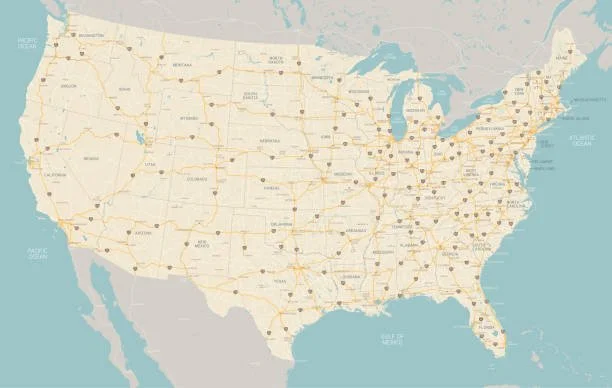
Florida, California, Texas, New York, and Massachusetts illustrate how hospice oversight differs across regions, while highlighting recurring risk patterns that attorneys encounter nationwide.
Future Analysis
Additional states may be added as case demand, litigation trends, or regulatory focus warrant further jurisdiction-specific analysis.
These resources are used by plaintiff and defense counsel nationwide for early case assessment, regulatory analysis, and litigation strategy in medically complex matters.
Florida - Hospice & Palliative Care
Enforcement & Oversight Posture (Florida)
Florida maintains an assertive hospice oversight environment with a strong emphasis on complaint responsiveness, eligibility integrity, and medication management. State enforcement frequently intersects with complaint-driven surveys and follow-up actions.
- High sensitivity to family-initiated complaints
- Rapid escalation for allegations involving patient harm or diversion
- Close coordination between survey activity and enforcement remedies
- Detailed scrutiny of documentation timeliness and internal consistency
Attorney insight: Florida enforcement actions often progress quickly, limiting remediation windows and increasing the importance of early record review.
Complaint Handling Nuances (Florida)
Florida hospice complaints are commonly triaged for immediacy and may trigger record requests or on-site surveys without advance notice.
- Low threshold for survey initiation following credible complaints
- Emphasis on pain management, discharge practices, and family communication
- Medication-related complaints frequently prompt expanded review
- Complaint records often become discoverable in civil litigation
Strategic note: Early complaint narratives frequently shape the scope and tone of subsequent investigations.
Mandatory Reporting Considerations (Florida)
Florida imposes strict mandatory reporting obligations related to abuse, neglect, exploitation, deaths under unusual circumstances, and controlled substance issues.
- Immediate reporting expectations for suspected abuse or neglect
- Heightened scrutiny of deaths associated with medication issues
- Controlled substance diversion reporting carries criminal exposure
- Failure to report may independently support enforcement action
Attorney insight: Documentation demonstrating timely reporting and escalation is frequently dispositive in Florida cases.
High-Risk Documentation Themes (Florida)
- Eligibility narratives lacking individualized decline indicators
- Delayed or inconsistent physician certifications
- Incomplete documentation supporting live discharges
- Medication reconciliation gaps at admission and discharge
Litigation impact: Documentation deficiencies are frequently leveraged to support negligence, wrongful death, and reimbursement disputes.
Litigation & Case Strategy Considerations (Florida)
In Florida hospice matters, regulatory findings, complaint records, and reporting documentation frequently become central to case valuation and settlement posture.
- Complaint-driven surveys often surface early in discovery
- Plans of Correction may establish notice and pattern arguments
- Failure-to-report allegations increase exposure independent of care quality
- Eligibility and discharge decisions are common focal points
Strategic takeaway: Early, structured medical-legal review is critical to identifying exposure and shaping defense strategy in Florida hospice cases.
California — Hospice & Palliative Care
Enforcement & Oversight Posture
California maintains a rigorous hospice oversight environment characterized by documentation-intensive surveys, aggressive follow-up, and a strong compliance posture when complaints allege patient harm, eligibility concerns, or medication issues.
- High volume of complaint-driven investigations
- Detailed record review with emphasis on narrative consistency
- Low tolerance for documentation gaps in eligibility and consent
- Escalation common when systemic issues are suspected
Attorney insight: California surveys often expand in scope once inconsistencies are identified, increasing exposure beyond the original complaint.
Complaint Handling Nuances
Hospice complaints in California are frequently initiated by family members and are closely scrutinized for credibility, severity, and immediacy of risk.
- Complaints involving pain management receive heightened priority
- Eligibility disputes commonly trigger full record requests
- Medication-related complaints often prompt expanded surveys
- Limited advance notice for on-site complaint investigations
Strategic note: Early complaint narratives can materially shape investigator focus and survey depth.
Mandatory Reporting Considerations
California imposes expansive mandatory reporting requirements related to abuse, neglect, unusual deaths, and controlled substances, with strict timelines and enforcement consequences.
- Immediate reporting for suspected abuse or neglect of dependent adults
- Deaths under unusual or suspicious circumstances require prompt notification
- Controlled substance diversion carries parallel regulatory and criminal exposure
- Failure to report may independently support civil and administrative liability
Attorney insight: Reporting delays are frequently cited as evidence of systemic compliance failure.
High-Risk Documentation Themes
- Eligibility narratives lacking patient-specific decline detail
- Inconsistent physician certifications and face-to-face encounter timing
- Inadequate documentation supporting live discharges
- Medication reconciliation and disposal gaps
Litigation impact: Documentation inconsistencies are routinely leveraged to challenge standard of care and billing integrity.
Litigation & Case Strategy Considerations
California hospice cases frequently involve extensive discovery related to complaints, surveys, and reporting documentation, increasing both cost and exposure.
- Complaint-driven survey findings often surface early in litigation
- Plans of Correction may establish notice and pattern arguments
- Eligibility and discharge decisions are common focal points
- Medication handling issues elevate both civil and regulatory risk
Strategic takeaway: Early, comprehensive medical-legal review is essential to contain scope and inform settlement posture in California hospice matters.
Texas — Hospice & Palliative Care
Enforcement & Oversight Posture
Texas maintains a strong enforcement posture in hospice oversight, with particular focus on eligibility integrity, medication management, and complaint responsiveness. Investigations are frequently complaint-driven and may expand quickly if systemic issues are suspected.
- Assertive complaint intake and rapid investigation timelines
- Expanded scope surveys common following substantiated allegations
- Heightened scrutiny of eligibility certifications and recertifications
- Close coordination between survey findings and enforcement actions
Attorney insight: Texas investigations often move quickly from targeted review to broader compliance assessment, increasing exposure early.
Complaint Handling Nuances
Hospice complaints in Texas are commonly initiated by family members, facility partners, or staff and are triaged for immediacy and potential risk to patient safety.
- Low threshold for on-site complaint surveys
- Priority given to allegations involving pain control or patient harm
- Medication-related complaints often trigger record-intensive reviews
- Limited advance notice for complaint-driven surveys
Strategic note: Initial complaint framing frequently defines the investigation’s scope and documentation requests.
Mandatory Reporting Considerations
Texas imposes mandatory reporting requirements for abuse, neglect, exploitation, certain deaths, and controlled substance diversion, with significant consequences for noncompliance.
- Immediate reporting obligations for suspected abuse or neglect
- Deaths under unusual or suspicious circumstances require notification
- Controlled substance diversion may trigger criminal investigation
- Failure to report can independently support regulatory action
Attorney insight: Documentation of timely reporting and escalation is frequently central to defensibility in Texas hospice cases.
High-Risk Documentation Themes
- Eligibility documentation lacking individualized clinical decline detail
- Delayed or inconsistent physician certifications and recertifications
- Insufficient support for live discharges or revocations
- Medication reconciliation gaps at transitions of care
Litigation impact: Documentation weaknesses are commonly used to challenge care appropriateness and billing integrity.
Litigation & Case Strategy Considerations
Texas hospice litigation frequently incorporates regulatory findings, complaint records, and reporting documentation as core elements of case strategy.
- Complaint-driven survey outcomes often appear early in discovery
- Plans of Correction may be used to establish notice or pattern
- Eligibility determinations and discharge decisions are focal points
- Medication handling issues increase both civil and regulatory exposure
Strategic takeaway: Early medical-legal analysis is critical to narrowing scope, assessing exposure, and informing settlement posture in Texas cases.
New York — Hospice & Palliative Care
Enforcement & Oversight Posture
New York maintains a highly structured and documentation-focused hospice oversight environment. Enforcement frequently centers on eligibility integrity, consent, and continuity of care, with close coordination between survey findings and follow-up action.
- Strong emphasis on eligibility determinations and physician certification
- Detailed scrutiny of admission, recertification, and discharge documentation
- Complaint-driven investigations commonly expand in scope
- Regulatory findings often prompt corrective action and monitoring
Attorney insight: New York reviews place significant weight on contemporaneous documentation and internal consistency across disciplines.
Complaint Handling Nuances
Hospice complaints in New York are frequently initiated by family members or facilities and are evaluated for patient safety implications and regulatory compliance concerns.
- Low tolerance for unresolved pain or symptom management complaints
- Eligibility disputes often trigger full record review
- Live discharges are closely examined for appropriateness and planning
- Limited advance notice for complaint-driven surveys
Strategic note: Complaint narratives commonly shape both the timing and depth of the investigation.
Mandatory Reporting Considerations
New York imposes comprehensive mandatory reporting requirements related to abuse, neglect, deaths under unusual circumstances, and medication-related incidents.
- Immediate reporting obligations for suspected abuse or neglect
- Deaths involving unexpected circumstances require notification
- Medication errors and diversion may require multiple agency reports
- Failure to report may independently support regulatory and civil action
Attorney insight: Timeliness and documentation of reporting are frequently scrutinized in New York enforcement actions.
High-Risk Documentation Themes
- Eligibility narratives lacking individualized clinical support
- Physician certifications not aligned with nursing assessments
- Incomplete documentation supporting live discharges
- Medication reconciliation and disposal gaps
Litigation impact: Documentation deficiencies are commonly leveraged to challenge standard of care and reimbursement validity.
Litigation & Case Strategy Considerations
New York hospice cases frequently involve extensive discovery related to regulatory surveys, complaint handling, and reporting documentation.
- Complaint-driven survey findings often surface early in litigation
- Plans of Correction may be used to establish notice or pattern
- Eligibility and discharge decisions are recurring focal points
- Medication handling issues elevate both civil and regulatory exposure
Strategic takeaway: Early, disciplined medical-legal review is essential to managing scope, exposure, and settlement posture in New York hospice matters.
Massachusetts — Hospice & Palliative Care
Enforcement & Oversight Posture
Massachusetts maintains a conservative but highly structured hospice oversight environment. Enforcement emphasizes documentation integrity, patient rights, and strict adherence to reporting obligations, with measured but thorough investigative processes.
- Strong focus on compliance with documentation and patient rights standards
- Methodical complaint investigations with detailed record review
- Close coordination between state agencies and accrediting bodies
- Escalation likely where systemic or repeat deficiencies are identified
Attorney insight: Massachusetts regulators prioritize completeness, clarity, and contemporaneous documentation over volume of records.
Complaint Handling Nuances
Hospice complaints in Massachusetts are frequently initiated by family members, long-term care facilities, or advocacy organizations and are evaluated through a structured intake and review process.
- Emphasis on patient dignity, communication, and informed decision-making
- Eligibility and discharge concerns commonly prompt focused review
- Medication-related complaints receive heightened scrutiny
- Investigations may proceed off-site before on-site activity
Strategic note: Early, well-organized responses can materially influence the depth and duration of Massachusetts investigations.
Mandatory Reporting Considerations
Massachusetts enforces robust mandatory reporting requirements related to abuse, neglect, unusual deaths, and medication-related incidents, with defined timelines and documentation expectations.
- Immediate reporting for suspected abuse or neglect of vulnerable adults
- Deaths under unusual or suspicious circumstances require prompt notification
- Medication errors and diversion may trigger multiple reporting obligations
- Failure to report may independently support regulatory enforcement
Attorney insight: Regulators closely examine whether reporting decisions were timely, complete, and appropriately escalated.
High-Risk Documentation Themes
- Eligibility narratives lacking clear, individualized decline indicators
- Inconsistent physician certifications or recertification timing
- Incomplete documentation supporting live discharges or transitions
- Medication reconciliation and disposal documentation gaps
Litigation impact: Documentation deficiencies are frequently used to challenge compliance with patient rights and standard of care expectations.
Litigation & Case Strategy Considerations
Massachusetts hospice litigation often centers on regulatory compliance, documentation integrity, and adherence to patient rights and reporting obligations.
- Complaint records and survey findings commonly appear in early discovery
- Plans of Correction may establish notice or pattern arguments
- Eligibility and discharge documentation are frequent focal points
- Medication handling issues elevate both civil and administrative exposure
Strategic takeaway: Proactive medical-legal review and documentation organization are critical to limiting scope and exposure in Massachusetts hospice cases.
Need State-Specific Hospice & Palliative Care Insight?
Our State-Specific Attorney Notes translate hospice and palliative care regulations into actionable legal intelligence—highlighting jurisdictional nuances, compliance triggers, and enforcement expectations that materially affect liability, damages, and defense posture.
We analyze state-level licensing rules, Conditions of Participation overlays, scope-of-practice variations, documentation requirements, and complaint pathways—so you can anchor your strategy to the correct standard of care for the venue, not a generic national assumption.
50-state coverage • 7-day standard delivery • Rush available
- State-specific regulatory and compliance analysis
- Clinician-led review with AI-supported screening
- Plaintiff & defense support