

Lexcura Summit Medical-Legal Blog
Expert Insights on AI, Litigation Strategy, Clinical Analysis & Healthcare Law
Welcome to the Lexcura Summit Medical-Legal Blog—your trusted source for expert insight on AI-driven medical record review, litigation strategy, clinical case analysis, healthcare law, and long-term care and home health risk. Written for plaintiff and defense attorneys, risk-management teams, and healthcare leaders, our articles deliver actionable guidance, emerging trends, and real-world strategies that strengthen case outcomes and reduce legal exposure. Stay informed with high-level commentary and practical expertise from the nation’s leading medical-legal consulting team.
When Confidentiality Breaches Harm Psychiatric Patients
Psychiatric patients rely on strict confidentiality to feel safe in treatment. When records are exposed, conversations overheard, or data improperly shared, the harm can be severe—ranging from emotional trauma to financial loss. At Lexcura Summit, we help attorneys prove liability in psychiatric confidentiality breach cases with detailed chronologies, record reviews, and litigation-ready reports.

Discharge Without Follow-Up: Liability in Psychiatric Neglect Cases
When psychiatric patients are discharged without proper follow-up, the risks of relapse, overdose, or suicide rise sharply. Facilities have a legal duty to ensure continuity of care, follow-up appointments, and family education. At Lexcura Summit, we help attorneys prove psychiatric neglect through detailed chronologies, documentation analysis, and litigation-ready reports.

Improper Use of Restraints in Psychiatric Care—Negligence or Abuse?
Restraints in psychiatric care should only be used as a last resort. When staff misuse physical or chemical restraints, it can cross the line into negligence or abuse, causing harm and triggering legal liability. Attorneys handling these cases rely on detailed record reviews to uncover improper practices. At Lexcura Summit, we deliver litigation-ready medical chronologies and expert reports to strengthen psychiatric negligence cases.

Failure to Prevent Inpatient Suicide—Legal Duties of Psychiatric Facilities
Psychiatric facilities have a legal and ethical duty to identify suicide risk, implement appropriate safeguards, and monitor patients under their care. When warning signs are missed or preventive protocols fail, the consequences can be devastating. This article examines the legal duties psychiatric facilities owe to vulnerable patients, common failures that lead to suicide-related claims, and how medical-legal analysis helps attorneys evaluate liability, causation, and standard-of-care deviations in these complex cases.

Opioid Overprescribing Cases—Holding Providers and Systems Accountable
Opioid overprescribing has fueled one of the most devastating health crises in U.S. history. When providers prescribe excessive doses or fail to monitor patients, addiction, overdose, and wrongful death can follow. Attorneys handling these cases must prove negligence, systemic failures, and causation. At Lexcura Summit, we help law firms nationwide with medical chronologies, narrative summaries, and life care plans—delivered in just 7 days.

Hip & Knee Implant Recalls—How Attorneys Use Medical Chronologies
Hip and knee implant recalls have left many patients with painful complications and costly revision surgeries. For attorneys, proving liability requires clear documentation of surgical history, device failures, and long-term damages. Medical chronologies organize thousands of records into a compelling timeline. At Lexcura Summit, we help law firms nationwide with litigation-ready chronologies, summaries, and life care plans—delivered in 7 days or less.

When CPAP Machines Cause Harm: Building a Medical-Legal Case
CPAP machines are essential for treating sleep apnea, but when defective devices cause respiratory illness, toxic exposure, or cancer risks, patients may suffer lasting harm. Attorneys must prove device defects, causation, and damages through detailed medical evidence. Lexcura Summit supports these cases with expert medical chronologies, narrative summaries, and life care plans—delivered nationwide in just 7 days.
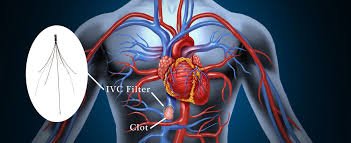
IVC Filter Complications: What Plaintiffs Must Prove
IVC filters were intended to prevent deadly blood clots, but thousands of patients have experienced complications such as migration, fractured struts, and perforated veins. For attorneys, proving liability requires careful analysis of implantation records, imaging studies, and device failures. Lexcura Summit helps by providing chronologies, summaries, and expert case reviews—delivered nationwide in 7 days or less.

What If a Patient Has a Stroke After Taking a Recalled Drug?
When a recalled drug causes a stroke, proving causation is complex but critical. Attorneys must establish exposure, reconstruct adverse event timelines, and rely on pharmacovigilance data. Lexcura Summit helps build these cases with litigation-ready medical chronologies, narrative summaries, and expert consulting.

Clients Exposed to Toxic Mold in Government Housing—Can They Sue?
Toxic mold exposure in government housing can cause chronic respiratory illness, infections, and long-term disability. When property managers or housing authorities fail to repair leaks, inspect units, or respond to complaints, residents may have grounds for legal action. Lexcura Summit supports attorneys with litigation-ready chronologies, life care plans, and expert consulting to prove causation and negligence.

APRN Rising: What It Means for Community Healthcare—and What to Watch For
Explore the rise of APRNs replacing family doctors in primary care. Learn the advantages, disadvantages, and key risks—plus what attorneys and healthcare leaders should monitor. Insights from Lexcura Summit.

Understanding Red Flag Symptoms in Missed Stroke Litigation
Recognizing red flag symptoms is crucial in missed stroke litigation, where early detection can prevent devastating outcomes. This blog outlines key clinical signs often overlooked, helping attorneys and Legal Nurse Consultants identify potential negligence. Lexcura Summit provides insights on how understanding these symptoms strengthens case evaluation and litigation strategy.
