

Lexcura Summit Medical-Legal Blog
Expert Insights on AI, Litigation Strategy, Clinical Analysis & Healthcare Law
Welcome to the Lexcura Summit Medical-Legal Blog—your trusted source for expert insight on AI-driven medical record review, litigation strategy, clinical case analysis, healthcare law, and long-term care and home health risk. Written for plaintiff and defense attorneys, risk-management teams, and healthcare leaders, our articles deliver actionable guidance, emerging trends, and real-world strategies that strengthen case outcomes and reduce legal exposure. Stay informed with high-level commentary and practical expertise from the nation’s leading medical-legal consulting team.
Longevity of Life Care Planning: Adapting to Evolving Damages Caps
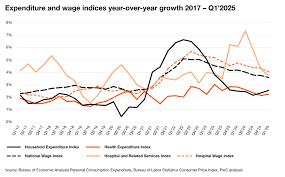
Life care plans remain central to malpractice and injury litigation, but in 2026 they must adapt to evolving damages caps and inflationary pressures. Attorneys need projections that withstand scrutiny and anticipate future costs. Lexcura Summit provides life care plans and chronologies designed to strengthen strategies in both capped and uncapped jurisdictions.

Improper Use of Restraints in Psychiatric Care—Negligence or Abuse?
Restraints in psychiatric care should only be used as a last resort. When staff misuse physical or chemical restraints, it can cross the line into negligence or abuse, causing harm and triggering legal liability. Attorneys handling these cases rely on detailed record reviews to uncover improper practices. At Lexcura Summit, we deliver litigation-ready medical chronologies and expert reports to strengthen psychiatric negligence cases.

Opioid Overprescribing Cases—Holding Providers and Systems Accountable
Opioid overprescribing has fueled one of the most devastating health crises in U.S. history. When providers prescribe excessive doses or fail to monitor patients, addiction, overdose, and wrongful death can follow. Attorneys handling these cases must prove negligence, systemic failures, and causation. At Lexcura Summit, we help law firms nationwide with medical chronologies, narrative summaries, and life care plans—delivered in just 7 days.
Hip & Knee Implant Recalls—How Attorneys Use Medical Chronologies
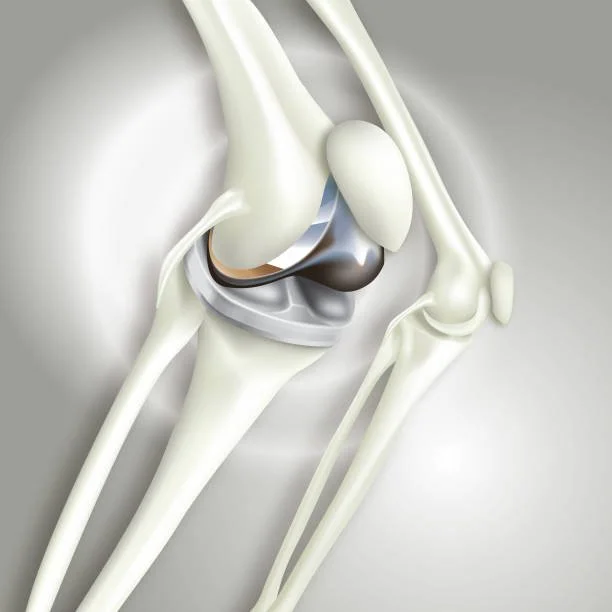
Hip and knee implant recalls have left many patients with painful complications and costly revision surgeries. For attorneys, proving liability requires clear documentation of surgical history, device failures, and long-term damages. Medical chronologies organize thousands of records into a compelling timeline. At Lexcura Summit, we help law firms nationwide with litigation-ready chronologies, summaries, and life care plans—delivered in 7 days or less.

When CPAP Machines Cause Harm: Building a Medical-Legal Case
CPAP machines are essential for treating sleep apnea, but when defective devices cause respiratory illness, toxic exposure, or cancer risks, patients may suffer lasting harm. Attorneys must prove device defects, causation, and damages through detailed medical evidence. Lexcura Summit supports these cases with expert medical chronologies, narrative summaries, and life care plans—delivered nationwide in just 7 days.

IVC Filter Complications: What Plaintiffs Must Prove
IVC filters were intended to prevent deadly blood clots, but thousands of patients have experienced complications such as migration, fractured struts, and perforated veins. For attorneys, proving liability requires careful analysis of implantation records, imaging studies, and device failures. Lexcura Summit helps by providing chronologies, summaries, and expert case reviews—delivered nationwide in 7 days or less.

Dangerous Drug Interactions: Who’s Liable for Missed Warnings?
Dangerous drug interactions are one of the most preventable causes of patient harm. When physicians, pharmacists, or healthcare facilities miss critical warnings, patients may suffer strokes, organ damage, or even death. Attorneys investigating these cases must analyze prescribing records, pharmacy notes, and EHR alerts to determine liability. Lexcura Summit supports litigation with expert chronologies, narrative summaries, and case reviews delivered in 7 days or less.

Dehydration and Malnutrition in Long-Term Care Facilities: When Does It Become Negligence?
Dehydration and malnutrition in nursing homes are often preventable—and may point to serious neglect. These conditions can lead to infections, kidney failure, pressure ulcers, or wrongful death. Attorneys investigating such cases rely on medical records, weight charts, and care plans to prove liability. Lexcura Summit provides chronologies, summaries, and life care plans to support litigation nationwide.

Unexplained Fractures in Nursing Homes—How Attorneys Investigate
Unexplained fractures in nursing homes can signal neglect, poor supervision, or even abuse. Attorneys must carefully examine medical records, fall prevention plans, and documentation gaps to establish liability. Lexcura Summit provides medical chronologies, summaries, and life care plans that help uncover the truth and support litigation nationwide.

When a Resident Is Overmedicated: Polypharmacy and Liability
Overmedication in nursing homes, often caused by polypharmacy, can lead to falls, confusion, and even wrongful death. Attorneys investigating these cases must review MARs, pharmacy reports, and physician orders to uncover negligence. At Lexcura Summit, we provide chronologies, summaries, and life care plans to help legal teams prove liability in overmedication lawsuits.
Bedsores (Pressure Ulcers): Preventable or Negligent?
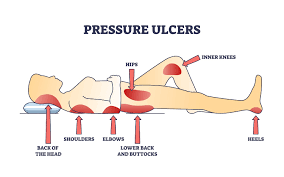
Bedsores, or pressure ulcers, are often preventable with proper care. When facilities fail to reposition, nourish, or monitor patients, these painful wounds can escalate to life-threatening infections. Attorneys must determine whether a bedsore was truly unavoidable—or evidence of negligence. Lexcura Summit provides litigation-ready chronologies, summaries, and life care plans to support attorneys in proving liability.

Failure to Treat Maternal Infections and Resulting Birth Defects
When maternal infections go untreated during pregnancy, the consequences can be devastating—ranging from sepsis and brain injury to lifelong birth defects. Attorneys must prove whether doctors failed to follow prenatal screening protocols, delayed antibiotics, or ignored warning signs. At Lexcura Summit, we provide chronologies, summaries, and life care plans that help attorneys build stronger malpractice cases nationwide.

Forceps vs. Vacuum Extraction Injuries: Case Considerations for Attorneys
Forceps and vacuum extractions can save lives during difficult deliveries—but when used improperly, they can cause devastating injuries to mother and child. From brachial plexus damage to brain bleeds, these cases hinge on proving whether the intervention was necessary and correctly performed. At Lexcura Summit, we provide medical chronologies, summaries, and life care plans to support attorneys in litigating assisted delivery malpractice cases.

VBAC Complications: What If Warning Signs Were Overlooked?
VBAC (Vaginal Birth After Cesarean) carries unique risks that require careful monitoring. When providers miss warning signs—like fetal distress, severe abdominal pain, or loss of fetal station—the result can be catastrophic. Attorneys rely on medical chronologies, fetal monitoring strips, and provider records to prove liability. At Lexcura Summit, we deliver litigation-ready reviews and life care plans to support these complex cases.

Placental Abruption Missed—How Attorneys Build These Cases
Placental abruption is a medical emergency that demands swift recognition and intervention. When signs such as vaginal bleeding, severe abdominal pain, or fetal distress are overlooked, mothers and infants can suffer catastrophic outcomes. Attorneys rely on detailed records, fetal monitoring strips, and reconstructed timelines to prove liability. At Lexcura Summit, we provide litigation-ready chronologies, summaries, and life care plans that strengthen abruption cases nationwide.

Surgical Burns and Positioning Injuries: Who’s Responsible?
Surgical burns and positioning injuries are often preventable but devastating. From electrocautery mishaps to nerve damage caused by poor padding, these injuries can leave patients permanently disabled. Determining liability requires careful review of operative reports, anesthesia records, and intraoperative documentation. At Lexcura Summit, we help attorneys build stronger cases with litigation-ready chronologies, summaries, and expert medical reviews.

When a Patient Falls in the Hospital—Is It Nursing Negligence or an Accident?
Hospital falls are common, but many are preventable with proper safety measures. When nurses fail to complete risk assessments, update care plans, or respond to patient needs, a fall may cross the line from accident to negligence. At Lexcura Summit, we help attorneys prove liability with detailed medical chronologies, record analysis, and litigation-ready reports.

Failure to Order a CT Scan for Head Trauma: Legal Consequences
When providers fail to order a CT scan after head trauma, serious brain injuries can go undetected. These missed diagnoses often lead to devastating outcomes such as hemorrhage, swelling, or wrongful death. At Lexcura Summit, we help attorneys prove negligence by reconstructing timelines, analyzing medical records, and delivering litigation-ready reports.

Missed Appendicitis in the ER—When Does Delay Equal Malpractice?
When emergency room providers fail to diagnose appendicitis, delays can lead to rupture, sepsis, or even death. These cases often hinge on whether the standard of care was followed and how quickly treatment was provided. At Lexcura Summit, we help attorneys prove negligence with medical chronologies, narrative summaries, and expert record reviews.
Hip Implant Failure 3 Years After Surgery—Is It Too Late to Sue?
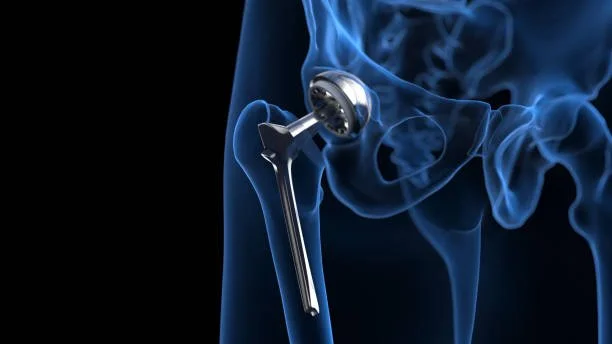
When a hip implant fails just three years after surgery, patients may face pain, revision surgery, and lifelong disability. But is it too late to sue? Depending on the statute of limitations and the discovery rule, many claims remain viable. Lexcura Summit helps attorneys prove causation and damages through medical chronologies, life care plans, and expert documentation.