

Lexcura Summit Medical-Legal Blog
Expert Insights on AI, Litigation Strategy, Clinical Analysis & Healthcare Law
Welcome to the Lexcura Summit Medical-Legal Blog—your trusted source for expert insight on AI-driven medical record review, litigation strategy, clinical case analysis, healthcare law, and long-term care and home health risk. Written for plaintiff and defense attorneys, risk-management teams, and healthcare leaders, our articles deliver actionable guidance, emerging trends, and real-world strategies that strengthen case outcomes and reduce legal exposure. Stay informed with high-level commentary and practical expertise from the nation’s leading medical-legal consulting team.

Dangerous Drug Interactions: Who’s Liable for Missed Warnings?
Dangerous drug interactions are one of the most preventable causes of patient harm. When physicians, pharmacists, or healthcare facilities miss critical warnings, patients may suffer strokes, organ damage, or even death. Attorneys investigating these cases must analyze prescribing records, pharmacy notes, and EHR alerts to determine liability. Lexcura Summit supports litigation with expert chronologies, narrative summaries, and case reviews delivered in 7 days or less.

Failure to Monitor Wandering Residents—Preventable Tragedies
When nursing homes fail to monitor wandering residents, the results can be tragic. Elopement often leads to falls, exposure, or wrongful death. Attorneys investigating these cases must analyze care plans, staffing, and documentation gaps. Lexcura Summit supports litigation with medical chronologies, narrative summaries, and expert reviews delivered nationwide in 7 days or less.

Dehydration and Malnutrition in Long-Term Care Facilities: When Does It Become Negligence?
Dehydration and malnutrition in nursing homes are often preventable—and may point to serious neglect. These conditions can lead to infections, kidney failure, pressure ulcers, or wrongful death. Attorneys investigating such cases rely on medical records, weight charts, and care plans to prove liability. Lexcura Summit provides chronologies, summaries, and life care plans to support litigation nationwide.

Unexplained Fractures in Nursing Homes—How Attorneys Investigate
Unexplained fractures in nursing homes can signal neglect, poor supervision, or even abuse. Attorneys must carefully examine medical records, fall prevention plans, and documentation gaps to establish liability. Lexcura Summit provides medical chronologies, summaries, and life care plans that help uncover the truth and support litigation nationwide.

When a Resident Is Overmedicated: Polypharmacy and Liability
Overmedication in nursing homes, often caused by polypharmacy, can lead to falls, confusion, and even wrongful death. Attorneys investigating these cases must review MARs, pharmacy reports, and physician orders to uncover negligence. At Lexcura Summit, we provide chronologies, summaries, and life care plans to help legal teams prove liability in overmedication lawsuits.
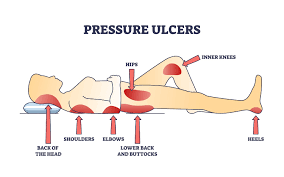
Bedsores (Pressure Ulcers): Preventable or Negligent?
Bedsores, or pressure ulcers, are often preventable with proper care. When facilities fail to reposition, nourish, or monitor patients, these painful wounds can escalate to life-threatening infections. Attorneys must determine whether a bedsore was truly unavoidable—or evidence of negligence. Lexcura Summit provides litigation-ready chronologies, summaries, and life care plans to support attorneys in proving liability.
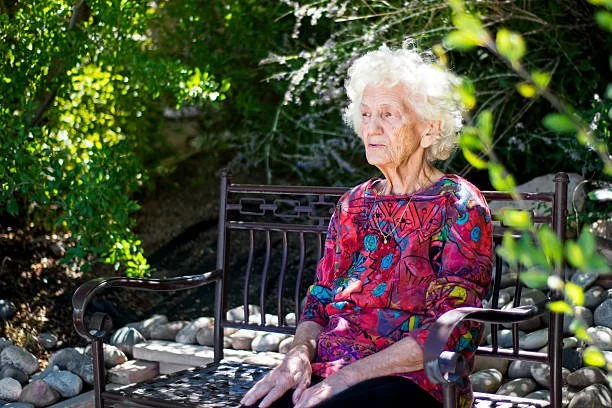
What If a Resident Wanders Off (Elopement) and Gets Hurt or Dies?
Elopement — when a resident wanders away from a nursing home or assisted living facility — is one of the most devastating and preventable failures in elder care. These incidents often reveal missed risk assessments, ignored care plans, or inadequate supervision. Lexcura Summit helps attorneys strengthen elopement cases with litigation-ready chronologies, life care plans, and expert consulting.

My Mother’s Medications Were Skipped in Her ALF—Is This Abuse?
Missed medications in assisted living facilities are never minor mistakes — they can cause confusion, hospitalization, or even death. Repeated skipped doses may signal abuse or neglect. Attorneys should review MAR audits, documentation gaps, and timelines of adverse reactions. Lexcura Summit helps attorneys uncover the truth with litigation-ready chronologies, MAR audits, and expert consulting.

Dad Fell Repeatedly in the Nursing Home—When Is It Negligence?
Repeated falls in nursing homes are rarely accidental. They often signal missed fall risk assessments, ignored care plans, or systemic neglect. Families and attorneys should examine injury timelines, documentation gaps, and whether interventions were put in place. Lexcura Summit helps strengthen nursing home negligence cases with litigation-ready medical chronologies, life care plans, and expert consulting.
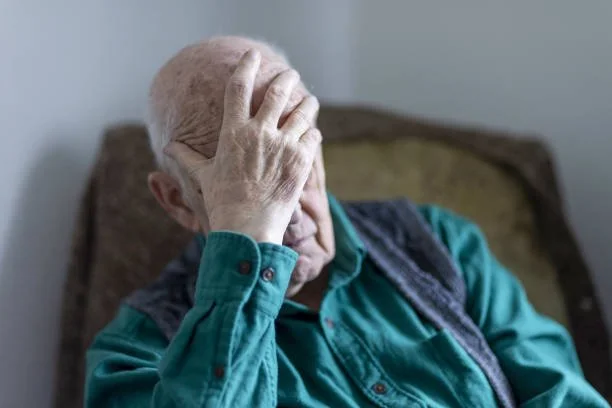
When Nursing Homes Fail: Your Loved One’s Rights After Neglect, Isolation, or Pressure Injuries
Nursing home neglect is far more common than families realize — and the consequences can be devastating. This article explains your loved one’s rights after pressure injuries, isolation, malnutrition, or chronic understaffing, and outlines the legal steps families can take to protect vulnerable residents and hold facilities accountable.

Can a Confused Patient Sign Consent? Legal Realities in Home Health Care
Can a confused patient sign their own consent in home health care? What if there’s no POA or surrogate? Learn the legal, ethical, and clinical risks—and what home health nurses should do. A guide from Lexcura Summit.

Nursing Home Abuse and Neglect Litigation: How Attorneys Identify Exposure, Build Proof, and Strengthen Case Value
Nursing home abuse and neglect are devastating realities that can cause serious harm to vulnerable residents. If you suspect your loved one is being mistreated, acting quickly is essential. Lexcura Summit Medical-Legal Consulting outlines the warning signs, legal steps, and documentation strategies to protect your family member’s safety and rights.

How New Healthcare Laws Are Shaping Elder Care in the U.S.
As sweeping healthcare reforms move forward, the elderly population faces mounting challenges—from reduced Medicaid retroactive coverage to more frequent eligibility renewals. Learn how these changes increase legal risks in elder care and how medical-legal professionals can respond.