

Lexcura Summit Medical-Legal Blog
Expert Insights on AI, Litigation Strategy, Clinical Analysis & Healthcare Law
Welcome to the Lexcura Summit Medical-Legal Blog—your trusted source for expert insight on AI-driven medical record review, litigation strategy, clinical case analysis, healthcare law, and long-term care and home health risk. Written for plaintiff and defense attorneys, risk-management teams, and healthcare leaders, our articles deliver actionable guidance, emerging trends, and real-world strategies that strengthen case outcomes and reduce legal exposure. Stay informed with high-level commentary and practical expertise from the nation’s leading medical-legal consulting team.

Psychiatric Facility Releases Suicidal Patient—Then They Die: Legal Liability Explained
When psychiatric facilities release suicidal patients too soon, the consequences can be tragic. These cases often hinge on whether the facility met its duty to protect through proper risk assessments, safety planning, and documentation. At Lexcura Summit, we support attorneys with medical chronologies, psychiatric record analysis, and litigation-ready expert reports that strengthen wrongful death claims.
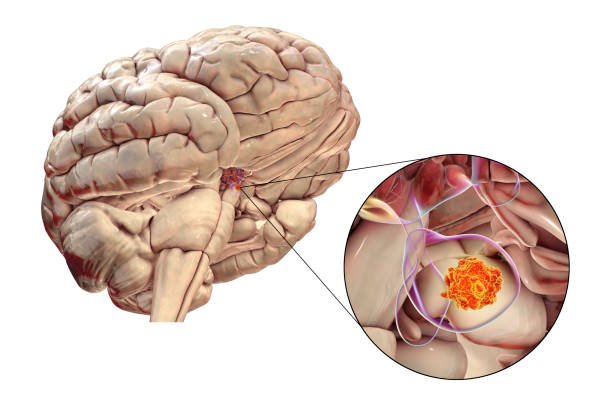
Failure to Diagnose a Brain Tumor Until It’s Too Late: How Attorneys Can Prove Harm
Delayed brain tumor diagnosis can mean fewer treatment options and devastating outcomes. Attorneys must prove when the tumor should have been detected and how the delay worsened the patient’s condition. Lexcura Summit strengthens these cases with expert analysis of imaging records, medical chronologies, and litigation-ready documentation.

Hip Implant Failure 3 Years After Surgery—Is It Too Late to Sue?
When a hip implant fails just three years after surgery, patients may face pain, revision surgery, and lifelong disability. But is it too late to sue? Depending on the statute of limitations and the discovery rule, many claims remain viable. Lexcura Summit helps attorneys prove causation and damages through medical chronologies, life care plans, and expert documentation.

What If a Patient Has a Stroke After Taking a Recalled Drug?
When a recalled drug causes a stroke, proving causation is complex but critical. Attorneys must establish exposure, reconstruct adverse event timelines, and rely on pharmacovigilance data. Lexcura Summit helps build these cases with litigation-ready medical chronologies, narrative summaries, and expert consulting.

Hair Relaxer & Ovarian Cancer: What Plaintiffs Must Prove
Chemical hair relaxers have been linked to ovarian and uterine cancers in emerging mass tort lawsuits. Plaintiffs must prove exposure, causation, negligence, and damages to succeed. These cases rely heavily on medical chronologies, expert testimony, and clear documentation. Lexcura Summit supports attorneys with litigation-ready reports, life care plans, and expert reviews to strengthen mass tort claims.

Clients Exposed to Toxic Mold in Government Housing—Can They Sue?
Toxic mold exposure in government housing can cause chronic respiratory illness, infections, and long-term disability. When property managers or housing authorities fail to repair leaks, inspect units, or respond to complaints, residents may have grounds for legal action. Lexcura Summit supports attorneys with litigation-ready chronologies, life care plans, and expert consulting to prove causation and negligence.

Emergency Room Wait Times and Death in the Lobby—Is the Hospital Liable?
When a patient dies in an ER lobby after hours of waiting, questions of hospital liability arise. These tragedies often involve triage failures, staffing shortages, and systemic delays. Under EMTALA, hospitals are required to screen and stabilize patients, and failure to do so may result in wrongful death claims. Lexcura Summit helps attorneys build these cases with litigation-ready medical chronologies, life care plans, and expert consulting.

What If a Heart Attack Is Missed in the ER and the Patient Dies at Home?
A missed heart attack in the ER can lead to tragic outcomes, including sudden death at home. These cases often involve triage failures, EKG misreads, or premature discharge. Attorneys must prove negligence by reconstructing timelines, reviewing documentation, and consulting medical experts. Lexcura Summit supports these cases with litigation-ready chronologies, life care plans, and expert consulting.
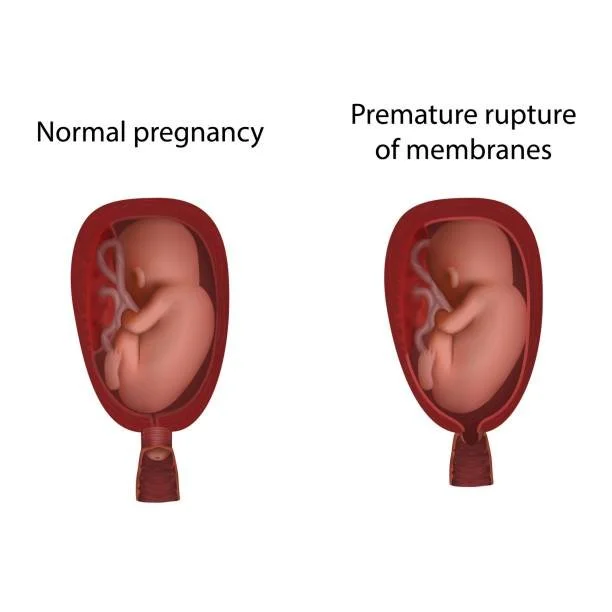
Uterine Rupture: A Life-Threatening OB Emergency with Legal Consequences
Uterine rupture, especially after prior C-sections or excessive Pitocin, can cause catastrophic harm. Learn how Lexcura Summit helps attorneys investigate OB malpractice with expert medical-legal support.

Improper Use of Forceps or Vacuum Extraction: Legal Risks in Birth Injury Cases
Improper use of forceps or vacuum during delivery can cause skull fractures, brain bleeds, and nerve damage. Learn how Lexcura Summit supports OB malpractice and birth injury cases with expert medical-legal consulting.

Failure to Perform a Timely C-Section: A Preventable Cause of Birth Injury and Litigation
Delayed C-sections after signs like fetal distress or stalled labor can cause brain injury, cerebral palsy, or maternal hemorrhage. Learn how Lexcura Summit helps attorneys prove OB malpractice with expert medical-legal reports.

Failure to Monitor Fetal Growth or Development: Legal Consequences and Case Support
When doctors fail to monitor fetal growth or miss signs of IUGR or congenital abnormalities, it can lead to avoidable harm. Learn how Lexcura Summit supports legal teams with medical-legal expertise in birth injury cases.

Improper Medication Prescribed During Pregnancy: Legal Risks and Case Support
Prescribing teratogenic drugs like Accutane or anti-seizure meds during pregnancy can cause birth defects or miscarriage. Learn how Lexcura Summit supports malpractice claims with expert medical-legal documentation.

Failure to Diagnose High-Risk Pregnancy Conditions: What Attorneys Need to Know
When doctors fail to diagnose conditions like gestational diabetes or preeclampsia, both mother and baby face severe risks. Learn how Lexcura Summit supports attorneys in OB malpractice cases with expert medical-legal review.

A Child with Cerebral Palsy After a Birth Injury — What Can Parents Do?
Was your child diagnosed with cerebral palsy after a difficult birth? Learn how hypoxic injuries occur, what legal options parents have, and how Lexcura Summit supports attorneys with expert medical-legal analysis.

The Breaking Point: How the Loss of ACA Tax Credits Will Reshape U.S. Healthcare — and How We Can Still Prevent Disaster
As the U.S. approaches 2026, the healthcare system stands on the edge of a major turning point. If the Affordable Care Act tax credits expire as scheduled, millions of Americans could suddenly face unaffordable insurance premiums, hospitals may experience unprecedented strain, and preventive care could rapidly decline nationwide. In this insightful article, Michelle Carroll, Founder & CEO of Lexcura Summit Medical-Legal Consulting, breaks down what this shift would mean for families, clinicians, attorneys, and health systems — and explains the actionable steps we can take now to prevent a full-scale healthcare crisis.

Hit by a Drunk Driver? What You Need to Know About Personal Injury and Wrongful Death Lawsuits
If you or a loved one were harmed in a DUI-related crash, you may be entitled to personal injury or wrongful death compensation. Learn your legal rights, timeframes, and what to expect—insights from Lexcura Summit.

Why You Sign a Surgical Consent—and What Can Go Wrong in the OR
Before surgery, you're asked to sign a consent form—but why? Learn what surgical consent means, what can go wrong during procedures, and how Lexcura Summit supports legal cases involving surgical complications.

How the USA Is Coping with Nursing Shortages—and What We're Doing to Fix It
Explore how the U.S. is responding to the nationwide nursing shortage—from education reforms and recruitment efforts to technology and policy. Discover strategies and solutions poised to strengthen the healthcare workforce.

What Is Medical Malpractice and How Is It Litigated?
Learn what medical malpractice is, how it's proven in court, and how Lexcura Summit supports attorneys with expert medical-legal consulting, record review, and litigation prep.