

Lexcura Summit Medical-Legal Blog
Expert Insights on AI, Litigation Strategy, Clinical Analysis & Healthcare Law
Welcome to the Lexcura Summit Medical-Legal Blog—your trusted source for expert insight on AI-driven medical record review, litigation strategy, clinical case analysis, healthcare law, and long-term care and home health risk. Written for plaintiff and defense attorneys, risk-management teams, and healthcare leaders, our articles deliver actionable guidance, emerging trends, and real-world strategies that strengthen case outcomes and reduce legal exposure. Stay informed with high-level commentary and practical expertise from the nation’s leading medical-legal consulting team.

Defensive Medicine in the Post-Pandemic World: Balancing Safety & Liability Risks
Defensive medicine is rising in the post-pandemic era as doctors over-test and over-treat to avoid litigation. This creates risks for patients and complex challenges for attorneys. Lexcura Summit helps law firms analyze records, distinguish necessary care from defensive practices, and build strong malpractice strategies.

AI vs Human Analysis in Medical Record Review: What Attorneys Need to Know
AI can organize medical records—but it cannot interpret clinical meaning. Learn where AI helps, where it fails, and why clinician-led analysis is essential in healthcare litigation.

How Gaps in Documentation Strengthen a Malpractice Case
When medical records contain missing notes, incomplete medication logs, or conflicting entries, it raises red flags for juries and strengthens malpractice claims. At Lexcura Summit, we help attorneys uncover and highlight these gaps through precise chronologies, narrative summaries, and expert reviews—turning poor documentation into powerful evidence.

Defense Attorneys and Medical Chronologies—Not Just for Plaintiffs
Medical chronologies are often seen as plaintiff tools, but defense attorneys rely on them just as much. From challenging causation timelines to preparing expert rebuttals, defense teams need clear documentation to protect their clients. At Lexcura Summit, we provide litigation-ready chronologies and rebuttal reports that strengthen defense strategies nationwide.

Dehydration and Malnutrition in Long-Term Care Facilities: When Does It Become Negligence?
Dehydration and malnutrition in nursing homes are often preventable—and may point to serious neglect. These conditions can lead to infections, kidney failure, pressure ulcers, or wrongful death. Attorneys investigating such cases rely on medical records, weight charts, and care plans to prove liability. Lexcura Summit provides chronologies, summaries, and life care plans to support litigation nationwide.

Unexplained Fractures in Nursing Homes—How Attorneys Investigate
Unexplained fractures in nursing homes can signal neglect, poor supervision, or even abuse. Attorneys must carefully examine medical records, fall prevention plans, and documentation gaps to establish liability. Lexcura Summit provides medical chronologies, summaries, and life care plans that help uncover the truth and support litigation nationwide.
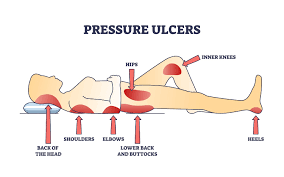
Bedsores (Pressure Ulcers): Preventable or Negligent?
Bedsores, or pressure ulcers, are often preventable with proper care. When facilities fail to reposition, nourish, or monitor patients, these painful wounds can escalate to life-threatening infections. Attorneys must determine whether a bedsore was truly unavoidable—or evidence of negligence. Lexcura Summit provides litigation-ready chronologies, summaries, and life care plans to support attorneys in proving liability.
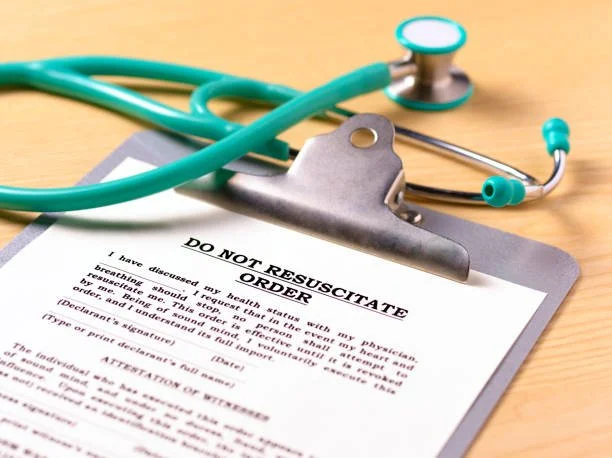
Is It Illegal to Ignore a DNR in a Hospital or Nursing Home?
Ignoring a Do Not Resuscitate (DNR) order in a hospital or nursing home is more than a medical mistake—it can be a violation of patient rights and the law. Families may pursue claims of negligence, battery, or wrongful death when a DNR is disregarded. At Lexcura Summit, we help attorneys build strong cases with record analysis, chronologies, and litigation-ready reports.

Why Timelines Matter: Reconstructing the Medical Story for Court
Medical timelines, or chronologies, turn thousands of pages of records into clear, step-by-step evidence. They reveal gaps, prove causation, and help juries understand complex cases. At Lexcura Summit, we deliver litigation-ready chronologies and narrative summaries that strengthen settlement negotiations and trial strategies.

What Medical Records Attorneys Need for a Strong Case
Medical records form the backbone of any malpractice or injury case, but missing notes, incomplete documentation, and poor timelines can weaken claims. Attorneys need hospital records, physician notes, imaging, labs, and more to prove negligence. At Lexcura Summit, we transform thousands of pages into clear medical chronologies, narrative summaries, and expert reviews that highlight gaps and strengthen litigation.

When Nursing Homes Fail: Your Loved One’s Rights After Neglect, Isolation, or Pressure Injuries
Nursing home neglect is far more common than families realize — and the consequences can be devastating. This article explains your loved one’s rights after pressure injuries, isolation, malnutrition, or chronic understaffing, and outlines the legal steps families can take to protect vulnerable residents and hold facilities accountable.

What Are Advance Directives—and Do You Really Need One?
Advance directives protect your healthcare decisions when you can't speak for yourself. Learn what they include, why they matter, and what happens if you don't have one—insight from Lexcura Summit.

5 Mistakes Attorneys Make When Selecting Medical Experts—and How to Avoid Them
Choosing the right medical expert is crucial for a successful legal outcome, yet attorneys often make avoidable mistakes that weaken their case. From inadequate vetting to poor communication, these errors can cost time and credibility. This blog explores five common mistakes in expert selection and how Lexcura Summit’s Legal Nurse Consultants help attorneys avoid them for stronger litigation results.