
Lexcura Summit Medical-Legal Blog

Expert Insights on AI, Litigation Strategy, Clinical Analysis & Healthcare Law

Welcome to the Lexcura Summit Medical-Legal Blog—your trusted source for expert insight on AI-driven medical record review, litigation strategy, clinical case analysis, healthcare law, and long-term care and home health risk. Written for plaintiff and defense attorneys, risk-management teams, and healthcare leaders, our articles deliver actionable guidance, emerging trends, and real-world strategies that strengthen case outcomes and reduce legal exposure. Stay informed with high-level commentary and practical expertise from the nation’s leading medical-legal consulting team.

AI & Behavioral Health: Privacy Risks and Ethical Boundaries in Mental Health Records

AI & Behavioral Health: Privacy Risks and Ethical Boundaries in Mental Health Records

AI is changing behavioral health care, but it brings major risks in privacy and ethics. From confidentiality breaches to algorithmic bias, attorneys must be ready to litigate when patient rights are violated. Lexcura Summit helps attorneys analyze records, identify lapses, and prepare litigation-ready reports.

Read More
AI Tools in Medical-Legal Consulting: Smarter, Faster Chronologies & Summaries

AI Tools in Medical-Legal Consulting: Smarter, Faster Chronologies & Summaries

AI is transforming medical-legal consulting by speeding up medical chronologies and summaries, improving accuracy, and reducing costs. At Lexcura Summit, we combine AI tools with expert clinical oversight to deliver litigation-ready reports in 7 days or less.

Read More
Intraoperative Neurophysiological Monitoring (IONM): New Grounds for Malpractice Liability

Intraoperative Neurophysiological Monitoring (IONM): New Grounds for Malpractice Liability

Intraoperative Neurophysiological Monitoring (IONM) is designed to prevent catastrophic surgical injuries, but misuse, misinterpretation, or outright neglect can have devastating results. As malpractice claims tied to IONM rise, attorneys need detailed chronologies, expert reviews, and rebuttal reports to prove liability—or defend against it.

Read More
Non-Economic Damages Caps: Defense & Plaintiff Implications in 2026

Non-Economic Damages Caps: Defense & Plaintiff Implications in 2026

Non-economic damages caps are evolving in 2026, with states revising limits on pain and suffering awards. These shifts reshape plaintiff strategies and defense negotiations. Lexcura Summit helps attorneys adapt with medical chronologies, life care plans, and litigation-ready reports tailored to capped or uncapped environments.

Read More
Dangerous Drug Interactions: Who’s Liable for Missed Warnings?

Dangerous Drug Interactions: Who’s Liable for Missed Warnings?

Dangerous drug interactions are one of the most preventable causes of patient harm. When physicians, pharmacists, or healthcare facilities miss critical warnings, patients may suffer strokes, organ damage, or even death. Attorneys investigating these cases must analyze prescribing records, pharmacy notes, and EHR alerts to determine liability. Lexcura Summit supports litigation with expert chronologies, narrative summaries, and case reviews delivered in 7 days or less.

Read More
What Is the Role of a Legal Nurse Consultant in Depositions?

What Is the Role of a Legal Nurse Consultant in Depositions?

Legal Nurse Consultants play a vital role in depositions by clarifying medical records, strengthening case strategies, and preparing expert witnesses. At Lexcura Summit, our team supports attorneys before, during, and after depositions with chronologies, summaries, and expert reviews—turning complex medical evidence into clear litigation strategy.

Read More
What Medical Records Attorneys Need for a Strong Case

What Medical Records Attorneys Need for a Strong Case

Medical records form the backbone of any malpractice or injury case, but missing notes, incomplete documentation, and poor timelines can weaken claims. Attorneys need hospital records, physician notes, imaging, labs, and more to prove negligence. At Lexcura Summit, we transform thousands of pages into clear medical chronologies, narrative summaries, and expert reviews that highlight gaps and strengthen litigation.

Read More
Psychiatric Facility Releases Suicidal Patient—Then They Die: Legal Liability Explained

Psychiatric Facility Releases Suicidal Patient—Then They Die: Legal Liability Explained

When psychiatric facilities release suicidal patients too soon, the consequences can be tragic. These cases often hinge on whether the facility met its duty to protect through proper risk assessments, safety planning, and documentation. At Lexcura Summit, we support attorneys with medical chronologies, psychiatric record analysis, and litigation-ready expert reports that strengthen wrongful death claims.
Read More
Failure to Diagnose a Brain Tumor Until It’s Too Late: How Attorneys Can Prove Harm

Failure to Diagnose a Brain Tumor Until It’s Too Late: How Attorneys Can Prove Harm

Delayed brain tumor diagnosis can mean fewer treatment options and devastating outcomes. Attorneys must prove when the tumor should have been detected and how the delay worsened the patient’s condition. Lexcura Summit strengthens these cases with expert analysis of imaging records, medical chronologies, and litigation-ready documentation.

Read More
Hip Implant Failure 3 Years After Surgery—Is It Too Late to Sue?

Hip Implant Failure 3 Years After Surgery—Is It Too Late to Sue?

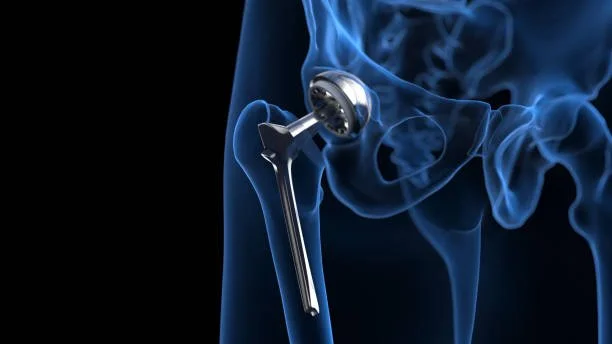
When a hip implant fails just three years after surgery, patients may face pain, revision surgery, and lifelong disability. But is it too late to sue? Depending on the statute of limitations and the discovery rule, many claims remain viable. Lexcura Summit helps attorneys prove causation and damages through medical chronologies, life care plans, and expert documentation.

Read More
Emergency Room Wait Times and Death in the Lobby—Is the Hospital Liable?

Emergency Room Wait Times and Death in the Lobby—Is the Hospital Liable?

When a patient dies in an ER lobby after hours of waiting, questions of hospital liability arise. These tragedies often involve triage failures, staffing shortages, and systemic delays. Under EMTALA, hospitals are required to screen and stabilize patients, and failure to do so may result in wrongful death claims. Lexcura Summit helps attorneys build these cases with litigation-ready medical chronologies, life care plans, and expert consulting.

Read More
What If a Heart Attack Is Missed in the ER and the Patient Dies at Home?

What If a Heart Attack Is Missed in the ER and the Patient Dies at Home?

A missed heart attack in the ER can lead to tragic outcomes, including sudden death at home. These cases often involve triage failures, EKG misreads, or premature discharge. Attorneys must prove negligence by reconstructing timelines, reviewing documentation, and consulting medical experts. Lexcura Summit supports these cases with litigation-ready chronologies, life care plans, and expert consulting.
Read More
Dad Fell Repeatedly in the Nursing Home—When Is It Negligence?

Dad Fell Repeatedly in the Nursing Home—When Is It Negligence?

Repeated falls in nursing homes are rarely accidental. They often signal missed fall risk assessments, ignored care plans, or systemic neglect. Families and attorneys should examine injury timelines, documentation gaps, and whether interventions were put in place. Lexcura Summit helps strengthen nursing home negligence cases with litigation-ready medical chronologies, life care plans, and expert consulting.

Read More
Nurse Didn’t Follow Physician Orders—Is That Malpractice?

Nurse Didn’t Follow Physician Orders—Is That Malpractice?

When a nurse fails to follow a physician's orders, it can lead to serious patient harm — but not every deviation constitutes malpractice. Liability depends on whether the order was safe, documented, and within the standard of care. These cases often hinge on nursing notes, medication records, and expert medical chronologies. Lexcura Summit assists attorneys in evaluating nursing malpractice claims with litigation-ready documentation, life care plans, and expert analysis.

Read More
A Child with Cerebral Palsy After a Birth Injury — What Can Parents Do?

A Child with Cerebral Palsy After a Birth Injury — What Can Parents Do?

Cerebral palsy is one of the most devastating outcomes of a preventable birth injury, often caused by oxygen deprivation or obstetric malpractice. For parents, a CP diagnosis brings lifelong emotional and financial challenges — from daily care to specialized therapies and adaptive equipment. This article explores how cerebral palsy can result from medical negligence, the legal options available to families, and how expert medical chronologies and life care plans from Lexcura Summit can help attorneys secure justice and compensation.

Read More
Delayed Diagnosis of a Stroke in the ER: Who’s Liable?

Delayed Diagnosis of a Stroke in the ER: Who’s Liable?

Delayed stroke diagnosis in the ER can lead to disability or death. Learn who may be liable, the legal timeline, and how Lexcura Summit supports attorneys with litigation-ready medical chronologies and expert reports.

Read More
Intraoperative Neurophysiological Monitoring (IONM): New Grounds for Malpractice Liability

Intraoperative Neurophysiological Monitoring (IONM): New Grounds for Malpractice Liability

Intraoperative Neurophysiological Monitoring (IONM) is designed to prevent catastrophic surgical injuries, but misuse, misinterpretation, or outright neglect can have devastating results. As malpractice claims tied to IONM rise, attorneys need detailed chronologies, expert reviews, and rebuttal reports to prove liability—or defend against it.

Read More

Ready to Strengthen Your Next Case?