

Lexcura Summit Medical-Legal Blog
Expert Insights on AI, Litigation Strategy, Clinical Analysis & Healthcare Law
Welcome to the Lexcura Summit Medical-Legal Blog—your trusted source for expert insight on AI-driven medical record review, litigation strategy, clinical case analysis, healthcare law, and long-term care and home health risk. Written for plaintiff and defense attorneys, risk-management teams, and healthcare leaders, our articles deliver actionable guidance, emerging trends, and real-world strategies that strengthen case outcomes and reduce legal exposure. Stay informed with high-level commentary and practical expertise from the nation’s leading medical-legal consulting team.

Malpractice in Minority Communities: Navigating Racial Disparities in Claims & Outcomes
Minority patients face higher rates of medical errors yet encounter barriers when pursuing malpractice claims. From healthcare bias to documentation gaps, these disparities affect litigation outcomes. Lexcura Summit helps attorneys uncover missed care, reconstruct timelines, and provide evidence that addresses systemic inequities.

Defensive Medicine in the Post-Pandemic World: Balancing Safety & Liability Risks
Defensive medicine is rising in the post-pandemic era as doctors over-test and over-treat to avoid litigation. This creates risks for patients and complex challenges for attorneys. Lexcura Summit helps law firms analyze records, distinguish necessary care from defensive practices, and build strong malpractice strategies.

The Lexcura Clinical Intelligence Model™: A Better Way to Analyze Complex Medical Records in Healthcare Litigation
The Lexcura Clinical Intelligence Model™ transforms fragmented medical records into structured clinical intelligence. Learn how chronology reconstruction, inflection-point analysis, and causation mapping help attorneys evaluate complex healthcare cases with greater clarity and precision.

AI-Related Diagnostic Errors: Emerging Liability Pathways in Medical Malpractice Litigation
Artificial intelligence is reshaping healthcare, but it’s also creating new malpractice risks. From algorithmic bias to misdiagnosis and overreliance on software, these errors raise difficult liability questions. At Lexcura Summit, we help attorneys clarify timelines, expose documentation gaps, and counter AI-driven legal challenges with litigation-ready medical analysis.

How Gaps in Documentation Strengthen a Malpractice Case
When medical records contain missing notes, incomplete medication logs, or conflicting entries, it raises red flags for juries and strengthens malpractice claims. At Lexcura Summit, we help attorneys uncover and highlight these gaps through precise chronologies, narrative summaries, and expert reviews—turning poor documentation into powerful evidence.
How Medical Experts Prepare for Cross-Examination
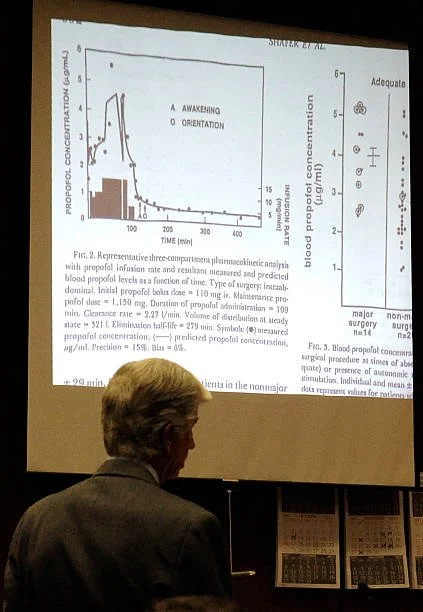
Cross-examination can make or break a malpractice case. Medical experts must be ready to defend their testimony with confidence, clarity, and credibility. At Lexcura Summit, we help attorneys prepare their experts through medical chronologies, narrative summaries, and cross-examination prep that anticipate tough questions and highlight key themes.

Failure to Monitor Wandering Residents—Preventable Tragedies
When nursing homes fail to monitor wandering residents, the results can be tragic. Elopement often leads to falls, exposure, or wrongful death. Attorneys investigating these cases must analyze care plans, staffing, and documentation gaps. Lexcura Summit supports litigation with medical chronologies, narrative summaries, and expert reviews delivered nationwide in 7 days or less.

Dehydration and Malnutrition in Long-Term Care Facilities: When Does It Become Negligence?
Dehydration and malnutrition in nursing homes are often preventable—and may point to serious neglect. These conditions can lead to infections, kidney failure, pressure ulcers, or wrongful death. Attorneys investigating such cases rely on medical records, weight charts, and care plans to prove liability. Lexcura Summit provides chronologies, summaries, and life care plans to support litigation nationwide.

When a Resident Is Overmedicated: Polypharmacy and Liability
Overmedication in nursing homes, often caused by polypharmacy, can lead to falls, confusion, and even wrongful death. Attorneys investigating these cases must review MARs, pharmacy reports, and physician orders to uncover negligence. At Lexcura Summit, we provide chronologies, summaries, and life care plans to help legal teams prove liability in overmedication lawsuits.
Bedsores (Pressure Ulcers): Preventable or Negligent?
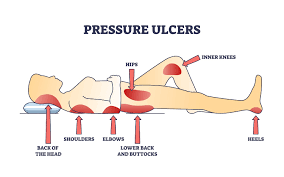
Bedsores, or pressure ulcers, are often preventable with proper care. When facilities fail to reposition, nourish, or monitor patients, these painful wounds can escalate to life-threatening infections. Attorneys must determine whether a bedsore was truly unavoidable—or evidence of negligence. Lexcura Summit provides litigation-ready chronologies, summaries, and life care plans to support attorneys in proving liability.
When Shoulder Dystocia Leads to Brachial Plexus Injuries—Legal Insights
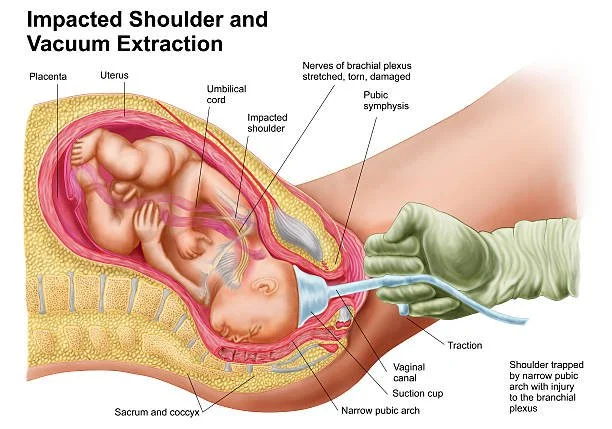
Shoulder dystocia is a rare but dangerous obstetric emergency. When excessive traction or delayed maneuvers cause brachial plexus injuries, the consequences can be lifelong. Attorneys rely on labor records, fetal monitoring strips, and newborn assessments to prove liability. At Lexcura Summit, we provide litigation-ready chronologies, summaries, and life care plans that strengthen shoulder dystocia cases nationwide.

VBAC Complications: What If Warning Signs Were Overlooked?
VBAC (Vaginal Birth After Cesarean) carries unique risks that require careful monitoring. When providers miss warning signs—like fetal distress, severe abdominal pain, or loss of fetal station—the result can be catastrophic. Attorneys rely on medical chronologies, fetal monitoring strips, and provider records to prove liability. At Lexcura Summit, we deliver litigation-ready reviews and life care plans to support these complex cases.

Placental Abruption Missed—How Attorneys Build These Cases
Placental abruption is a medical emergency that demands swift recognition and intervention. When signs such as vaginal bleeding, severe abdominal pain, or fetal distress are overlooked, mothers and infants can suffer catastrophic outcomes. Attorneys rely on detailed records, fetal monitoring strips, and reconstructed timelines to prove liability. At Lexcura Summit, we provide litigation-ready chronologies, summaries, and life care plans that strengthen abruption cases nationwide.

Surgical Burns and Positioning Injuries: Who’s Responsible?
Surgical burns and positioning injuries are often preventable but devastating. From electrocautery mishaps to nerve damage caused by poor padding, these injuries can leave patients permanently disabled. Determining liability requires careful review of operative reports, anesthesia records, and intraoperative documentation. At Lexcura Summit, we help attorneys build stronger cases with litigation-ready chronologies, summaries, and expert medical reviews.
Is It Illegal to Ignore a DNR in a Hospital or Nursing Home?
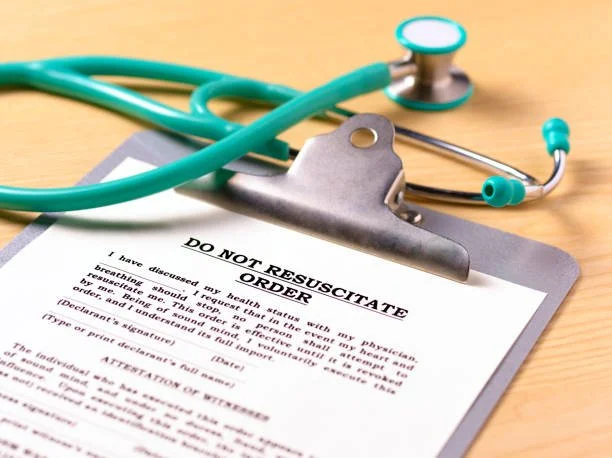
Ignoring a Do Not Resuscitate (DNR) order in a hospital or nursing home is more than a medical mistake—it can be a violation of patient rights and the law. Families may pursue claims of negligence, battery, or wrongful death when a DNR is disregarded. At Lexcura Summit, we help attorneys build strong cases with record analysis, chronologies, and litigation-ready reports.

What Medical Records Attorneys Need for a Strong Case
Medical records form the backbone of any malpractice or injury case, but missing notes, incomplete documentation, and poor timelines can weaken claims. Attorneys need hospital records, physician notes, imaging, labs, and more to prove negligence. At Lexcura Summit, we transform thousands of pages into clear medical chronologies, narrative summaries, and expert reviews that highlight gaps and strengthen litigation.

Failure to Diagnose a Brain Tumor Until It’s Too Late: How Attorneys Can Prove Harm
Delayed brain tumor diagnosis can mean fewer treatment options and devastating outcomes. Attorneys must prove when the tumor should have been detected and how the delay worsened the patient’s condition. Lexcura Summit strengthens these cases with expert analysis of imaging records, medical chronologies, and litigation-ready documentation.
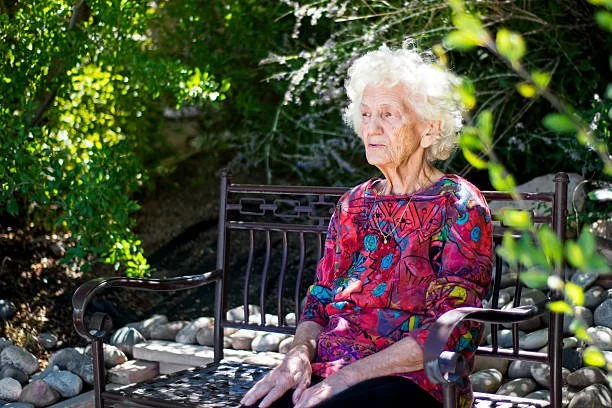
What If a Resident Wanders Off (Elopement) and Gets Hurt or Dies?
Elopement — when a resident wanders away from a nursing home or assisted living facility — is one of the most devastating and preventable failures in elder care. These incidents often reveal missed risk assessments, ignored care plans, or inadequate supervision. Lexcura Summit helps attorneys strengthen elopement cases with litigation-ready chronologies, life care plans, and expert consulting.

My Mother’s Medications Were Skipped in Her ALF—Is This Abuse?
Missed medications in assisted living facilities are never minor mistakes — they can cause confusion, hospitalization, or even death. Repeated skipped doses may signal abuse or neglect. Attorneys should review MAR audits, documentation gaps, and timelines of adverse reactions. Lexcura Summit helps attorneys uncover the truth with litigation-ready chronologies, MAR audits, and expert consulting.

Dad Fell Repeatedly in the Nursing Home—When Is It Negligence?
Repeated falls in nursing homes are rarely accidental. They often signal missed fall risk assessments, ignored care plans, or systemic neglect. Families and attorneys should examine injury timelines, documentation gaps, and whether interventions were put in place. Lexcura Summit helps strengthen nursing home negligence cases with litigation-ready medical chronologies, life care plans, and expert consulting.