

Lexcura Summit Medical-Legal Blog
Expert Insights on AI, Litigation Strategy, Clinical Analysis & Healthcare Law
Welcome to the Lexcura Summit Medical-Legal Blog—your trusted source for expert insight on AI-driven medical record review, litigation strategy, clinical case analysis, healthcare law, and long-term care and home health risk. Written for plaintiff and defense attorneys, risk-management teams, and healthcare leaders, our articles deliver actionable guidance, emerging trends, and real-world strategies that strengthen case outcomes and reduce legal exposure. Stay informed with high-level commentary and practical expertise from the nation’s leading medical-legal consulting team.

What If a Patient Has a Stroke After Taking a Recalled Drug?
When a recalled drug causes a stroke, proving causation is complex but critical. Attorneys must establish exposure, reconstruct adverse event timelines, and rely on pharmacovigilance data. Lexcura Summit helps build these cases with litigation-ready medical chronologies, narrative summaries, and expert consulting.

Hair Relaxer & Ovarian Cancer: What Plaintiffs Must Prove
Chemical hair relaxers have been linked to ovarian and uterine cancers in emerging mass tort lawsuits. Plaintiffs must prove exposure, causation, negligence, and damages to succeed. These cases rely heavily on medical chronologies, expert testimony, and clear documentation. Lexcura Summit supports attorneys with litigation-ready reports, life care plans, and expert reviews to strengthen mass tort claims.

Clients Exposed to Toxic Mold in Government Housing—Can They Sue?
Toxic mold exposure in government housing can cause chronic respiratory illness, infections, and long-term disability. When property managers or housing authorities fail to repair leaks, inspect units, or respond to complaints, residents may have grounds for legal action. Lexcura Summit supports attorneys with litigation-ready chronologies, life care plans, and expert consulting to prove causation and negligence.

Emergency Room Wait Times and Death in the Lobby—Is the Hospital Liable?
When a patient dies in an ER lobby after hours of waiting, questions of hospital liability arise. These tragedies often involve triage failures, staffing shortages, and systemic delays. Under EMTALA, hospitals are required to screen and stabilize patients, and failure to do so may result in wrongful death claims. Lexcura Summit helps attorneys build these cases with litigation-ready medical chronologies, life care plans, and expert consulting.

What If a Heart Attack Is Missed in the ER and the Patient Dies at Home?
A missed heart attack in the ER can lead to tragic outcomes, including sudden death at home. These cases often involve triage failures, EKG misreads, or premature discharge. Attorneys must prove negligence by reconstructing timelines, reviewing documentation, and consulting medical experts. Lexcura Summit supports these cases with litigation-ready chronologies, life care plans, and expert consulting.
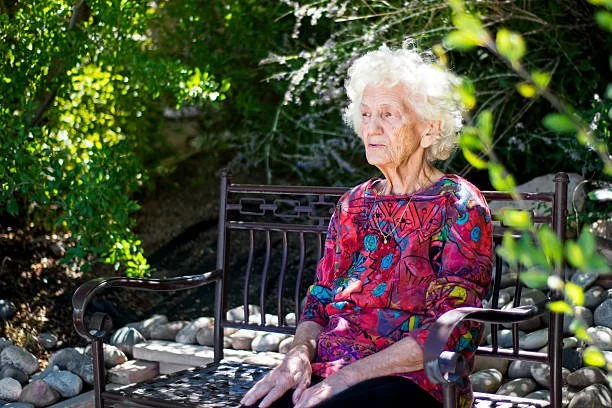
What If a Resident Wanders Off (Elopement) and Gets Hurt or Dies?
Elopement — when a resident wanders away from a nursing home or assisted living facility — is one of the most devastating and preventable failures in elder care. These incidents often reveal missed risk assessments, ignored care plans, or inadequate supervision. Lexcura Summit helps attorneys strengthen elopement cases with litigation-ready chronologies, life care plans, and expert consulting.

My Mother’s Medications Were Skipped in Her ALF—Is This Abuse?
Missed medications in assisted living facilities are never minor mistakes — they can cause confusion, hospitalization, or even death. Repeated skipped doses may signal abuse or neglect. Attorneys should review MAR audits, documentation gaps, and timelines of adverse reactions. Lexcura Summit helps attorneys uncover the truth with litigation-ready chronologies, MAR audits, and expert consulting.

Dad Fell Repeatedly in the Nursing Home—When Is It Negligence?
Repeated falls in nursing homes are rarely accidental. They often signal missed fall risk assessments, ignored care plans, or systemic neglect. Families and attorneys should examine injury timelines, documentation gaps, and whether interventions were put in place. Lexcura Summit helps strengthen nursing home negligence cases with litigation-ready medical chronologies, life care plans, and expert consulting.
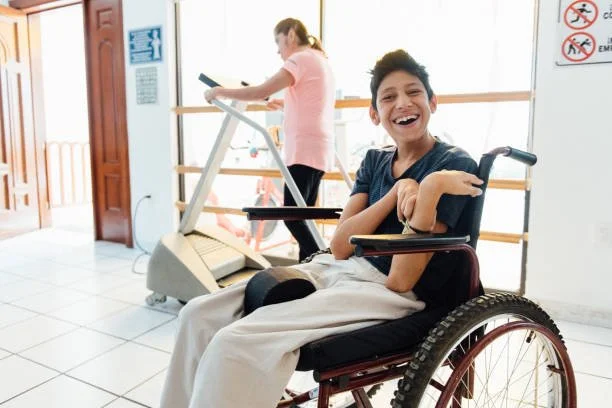
A Child with Cerebral Palsy After a Birth Injury — What Can Parents Do?
Cerebral palsy is one of the most devastating outcomes of a preventable birth injury, often caused by oxygen deprivation or obstetric malpractice. For parents, a CP diagnosis brings lifelong emotional and financial challenges — from daily care to specialized therapies and adaptive equipment. This article explores how cerebral palsy can result from medical negligence, the legal options available to families, and how expert medical chronologies and life care plans from Lexcura Summit can help attorneys secure justice and compensation.

Delayed Diagnosis of a Stroke in the ER: Who’s Liable?
Delayed stroke diagnosis in the ER can lead to disability or death. Learn who may be liable, the legal timeline, and how Lexcura Summit supports attorneys with litigation-ready medical chronologies and expert reports.

What Happens if a Surgeon Leaves a Sponge Inside a Patient?
Retained surgical items like sponges cause infections, repeat surgeries, and disability. Lexcura Summit provides litigation-ready medical chronologies, life care plans, and expert consulting for attorneys nationwide.

Birth Trauma Leading to PTSD or Depression: The Expanding Scope of Maternal Malpractice Claims
Birth trauma lawsuits increasingly include PTSD and postpartum depression caused by negligence, forced interventions, or lack of informed consent. Lexcura Summit provides litigation-ready medical-legal consulting, medical chronologies, and expert case screening.

Negligent Neonatal Resuscitation: How Delays Cause Catastrophic Birth Injuries
Delays in neonatal resuscitation — including oxygen and intubation — can cause HIE, cerebral palsy, or death. Lexcura Summit supports attorneys with litigation-ready medical consulting.

Failure to Identify Neonatal Jaundice or Infection: How Missed Diagnoses Lead to Catastrophic Birth Injury Claims
Learn how missed neonatal jaundice or sepsis leads to kernicterus, sepsis-related brain damage, or wrongful death. Lexcura Summit delivers litigation-ready medical-legal consulting to support attorneys nationwide.
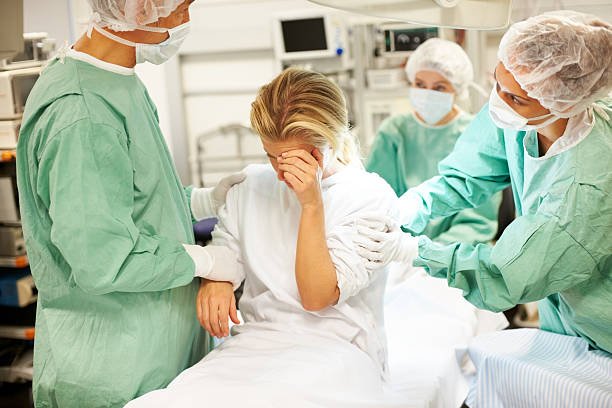
Failure to Manage Maternal Hemorrhage: Legal and Medical Implications
Delayed response to postpartum hemorrhage can lead to death or hysterectomy. Learn how Lexcura Summit supports attorneys in OB malpractice cases with expert medical-legal analysis.
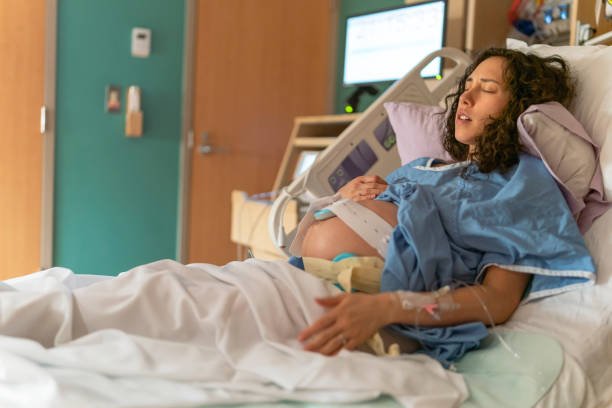
Improper Monitoring During Labor: A Common Cause of Birth Injury Lawsuits
Inadequate monitoring of fetal heart tones during labor can lead to brain damage or fetal death. Learn how Lexcura Summit helps attorneys prove OB malpractice through expert medical-legal analysis.
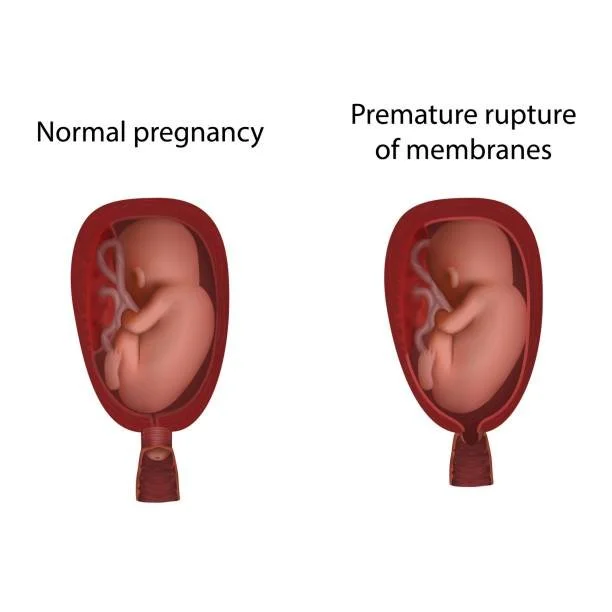
Uterine Rupture: A Life-Threatening OB Emergency with Legal Consequences
Uterine rupture, especially after prior C-sections or excessive Pitocin, can cause catastrophic harm. Learn how Lexcura Summit helps attorneys investigate OB malpractice with expert medical-legal support.
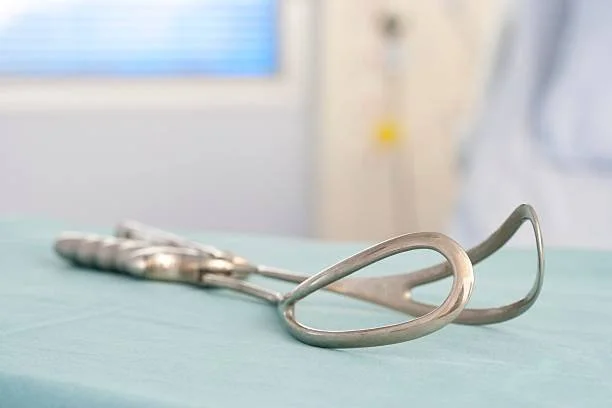
Improper Use of Forceps or Vacuum Extraction: Legal Risks in Birth Injury Cases
Improper use of forceps or vacuum during delivery can cause skull fractures, brain bleeds, and nerve damage. Learn how Lexcura Summit supports OB malpractice and birth injury cases with expert medical-legal consulting.
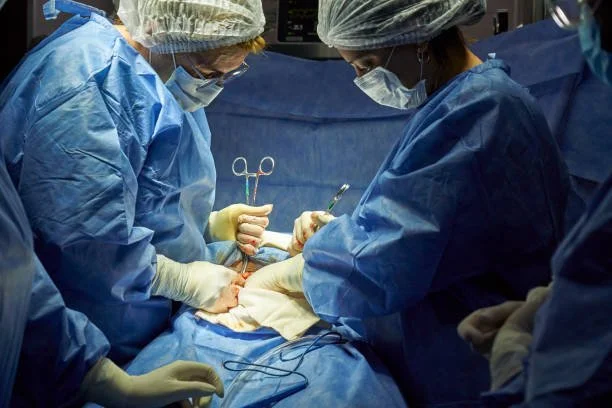
Failure to Perform a Timely C-Section: A Preventable Cause of Birth Injury and Litigation
Delayed C-sections after signs like fetal distress or stalled labor can cause brain injury, cerebral palsy, or maternal hemorrhage. Learn how Lexcura Summit helps attorneys prove OB malpractice with expert medical-legal reports.

Failure to Monitor Fetal Growth or Development: Legal Consequences and Case Support
When doctors fail to monitor fetal growth or miss signs of IUGR or congenital abnormalities, it can lead to avoidable harm. Learn how Lexcura Summit supports legal teams with medical-legal expertise in birth injury cases.